

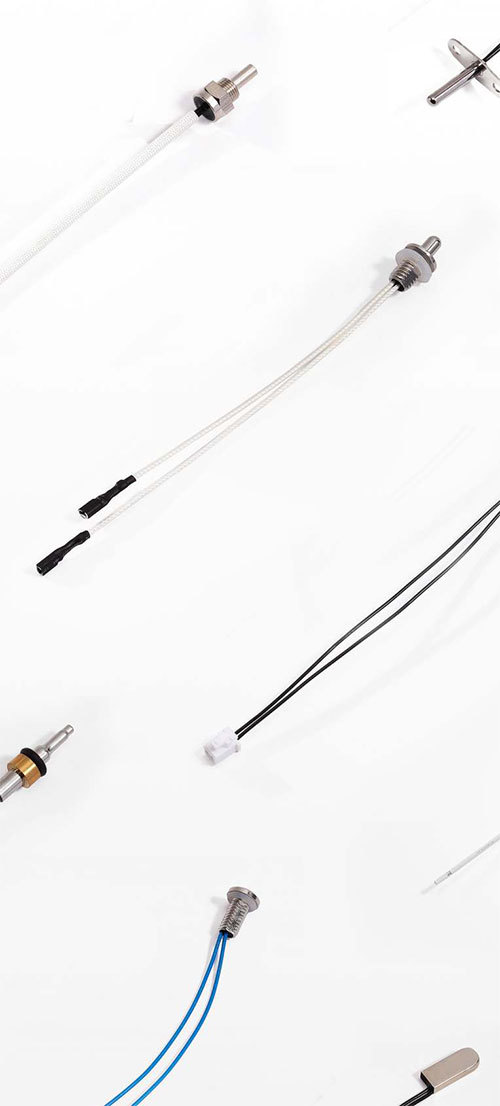
Understanding the Role of a Coolant Temperature Sensor in Engine Performance
Classification: knowledge
Time:2025-07-02
Understanding the Role of a Coolant Temperature Sensor in Engine Performance
Table of Contents
- 1. Introduction to Coolant Temperature Sensors
- 2. The Function of Coolant Temperature Sensors in Engines
- 3. Types of Coolant Temperature Sensors
- 4. Importance of Coolant Temperature Sensors in Engine Performance
- 5. Effects of Malfunctioning Coolant Temperature Sensors
- 6. Maintenance and Diagnostics of Coolant Temperature Sensors
- 7. Upgrading Your Coolant Temperature Sensor
- 8. Conclusion
- 9. Frequently Asked Questions
1. Introduction to Coolant Temperature Sensors
A **coolant temperature sensor (CTS)** is a crucial component in modern engines, responsible for monitoring the temperature of the engine's coolant. This sensor plays a significant role in managing the engine's performance and efficiency. As vehicles become increasingly sophisticated with advanced technology, the need to understand how these components operate and their impact on overall performance becomes vital for both automotive enthusiasts and everyday drivers.
2. The Function of Coolant Temperature Sensors in Engines
The primary function of a coolant temperature sensor is to provide the engine control unit (ECU) with accurate temperature readings of the engine coolant. This information is essential for several functions, including:
Optimizing Fuel Injection
A properly functioning coolant temperature sensor ensures that the ECU adjusts the fuel-air mixture based on the engine's temperature. In cold conditions, a richer fuel mixture is necessary for optimal combustion. Conversely, as the engine warms up, the ECU can lean out the mixture for better fuel efficiency.
Monitoring Engine Temperature
The coolant temperature sensor continuously monitors the engine's operating temperature, which is crucial for preventing overheating. If the engine gets too hot, it can result in severe damage, leading to costly repairs. The sensor alerts the ECU to take necessary actions, like adjusting coolant flow or activating cooling fans.
Supporting Emission Control
The coolant temperature sensor also plays a role in emissions control. By ensuring the engine operates at the ideal temperature, it helps maintain optimal combustion efficiency, reducing harmful emissions and adhering to environmental regulations.
3. Types of Coolant Temperature Sensors
There are several types of coolant temperature sensors used in automotive applications, including:
Thermistor-Based Sensors
These sensors utilize a thermistor to measure temperature changes. They are commonly used due to their accuracy and quick response times.
Resistor-Based Sensors
These sensors work based on the resistance change with temperature. They are less common but still found in some older vehicle models.
Infrared Sensors
Infrared sensors measure the temperature without direct contact with the coolant. While they are not typical in standard applications, they can be found in specialized engines.
4. Importance of Coolant Temperature Sensors in Engine Performance
Understanding the importance of coolant temperature sensors is crucial for keeping your engine healthy. Several aspects highlight their significance:
Enhanced Performance
By providing real-time temperature data, these sensors help optimize engine performance. Properly calibrated engines run more efficiently, leading to better performance and fuel economy.
Increased Longevity
Maintaining the ideal operating temperature prevents excessive wear and tear on engine components. This prolongs the lifespan of your vehicle and minimizes the need for repairs.
Improved Fuel Efficiency
A well-functioning coolant temperature sensor can lead to significant fuel savings. By allowing the ECU to adjust the air-fuel mixture correctly, vehicles can achieve better mileage, saving drivers money at the pump.
5. Effects of Malfunctioning Coolant Temperature Sensors
When a coolant temperature sensor fails, it can lead to several engine performance issues, including:
Overheating
A malfunctioning sensor may fail to alert the ECU of rising temperatures, resulting in potential overheating and engine damage.
Poor Fuel Economy
An inaccurate temperature reading can lead to incorrect fuel mixture adjustments, causing excessive fuel consumption.
Check Engine Light Activation
A faulty coolant temperature sensor often triggers the check engine light, indicating a need for diagnostics and repair.
6. Maintenance and Diagnostics of Coolant Temperature Sensors
Regular maintenance of coolant temperature sensors is essential to ensure optimal engine performance. Below are some tips for maintaining and diagnosing sensor health:
Regular Inspections
Perform routine checks and ensure the sensor wiring is intact and free from corrosion. This simple maintenance step can prevent many issues.
Use Diagnostic Tools
Utilize OBD-II scanners to read error codes related to coolant temperature sensors. This can help identify underlying issues quickly.
Replacement Timing
If you notice symptoms of a malfunctioning sensor, such as erratic temperature readings or engine performance issues, consider replacing the sensor. Typically, these sensors should last several years but can fail due to age or environmental factors.
7. Upgrading Your Coolant Temperature Sensor
Upgrading to a high-performance coolant temperature sensor can enhance your vehicle's efficiency and responsiveness. Consider the following factors when upgrading:
Compatibility
Ensure the new sensor is compatible with your vehicle's engine and ECU systems for seamless integration.
Performance Features
Look for sensors that offer faster response times and higher accuracy, which can significantly improve overall engine performance.
Brand Reputation
Choose reputable brands known for producing high-quality automotive sensors to ensure reliability and longevity.
8. Conclusion
The coolant temperature sensor is an indispensable component of modern engine management systems. Its ability to monitor and relay accurate temperature data directly influences engine performance, efficiency, and longevity. Understanding how this sensor works, maintaining it properly, and recognizing the signs of malfunction can significantly enhance your driving experience. By prioritizing the health of your coolant temperature sensor, you ensure your vehicle operates at peak performance, ultimately saving you time and money in the long run.
9. Frequently Asked Questions
What is the main role of a coolant temperature sensor?
The coolant temperature sensor primarily monitors the temperature of the engine coolant and sends this information to the ECU to optimize fuel injection, engine temperature, and emissions control.
How do I know if my coolant temperature sensor is faulty?
Signs of a faulty coolant temperature sensor include erratic temperature readings, poor fuel economy, and the illumination of the check engine light.
Can I replace the coolant temperature sensor myself?
Yes, with the proper tools and knowledge, you can replace the coolant temperature sensor yourself. However, ensure you follow the manufacturer's guidelines for your specific vehicle.
What happens if I ignore a bad coolant temperature sensor?
Ignoring a malfunctioning coolant temperature sensor can lead to serious engine issues, including overheating, increased emissions, and poor fuel efficiency.
How often should coolant temperature sensors be replaced?
While coolant temperature sensors are designed to last several years, they should be inspected regularly. If you experience performance issues or if the sensor is old, consider replacing it to ensure optimal engine function.
Keyword: Understanding the Role of a Coolant Temperature Sensor in Engine Performance
RELATED INFORMATION

Essential Guide to Adjustable Thermostat Heaters for Laboratory Applications
In the world of laboratory equipment, maintaining precise temperature control is critical for the success of various experiments and processes. One of the most effective solutions for achieving this is the use of adjustable thermostat heaters. These devices are designed to regulate temperature effectively, ensuring that your experiments proceed under the optimal conditions required for accurate re
2026/05/18

Unlocking Efficiency: The Role of Adjustable Thermostat Heaters in Laboratories
Unlocking Efficiency: The Role of Adjustable Thermostat Heaters in Laboratories Table of Contents 1. Introduction to Adjustable Thermostat Heaters 2. Importance of Temperature Control in Laboratories 3. How Adjustable Thermostat Heaters Work 4. Benefits of Using Adjustable Thermostat Heaters in Laboratories 5. Key Features to Look for in Adjustable Thermostat Hea
2026/05/08

Huilong has passedls09001 certification in2003.0ur products are compliant with EU RoHS Directiveand certified by COC, VDE, UL, TUV, CE,CB.
Contact Us
+86-757-28397819
C1 Building, CSCEC'S S&TInnovation Park, No.81,Xijiao Road, Ronggui, Shunde, Foshan, Guangdong Province

Mobile Website