



How a Temperature Control Switch Can Enhance Energy Efficiency in Buildings
Classification: knowledge
Time:2025-11-19
How a Temperature Control Switch Can Enhance Energy Efficiency in Buildings
Introduction to Temperature Control Switches
In today's world, the demand for energy efficiency in buildings is more critical than ever. A **temperature control switch** serves as a key component in achieving this goal. By regulating heating, ventilation, and air conditioning (HVAC) systems, these devices not only enhance comfort but also significantly reduce energy consumption. In this article, we will delve into the functionality, benefits, and implications of temperature control switches on energy efficiency in buildings.
The Functionality of Temperature Control Switches
Temperature control switches operate on a simple principle: they monitor and regulate temperature levels within a building. When the temperature deviates from a predetermined threshold, the switch activates or deactivates the HVAC system. This process optimizes energy use, ensuring that heating or cooling is applied only when necessary.
Types of Temperature Control Switches
There are several types of temperature control switches, each designed for specific applications. Understanding the differences can help in selecting the right switch for your building's needs.
1. Mechanical Thermostats
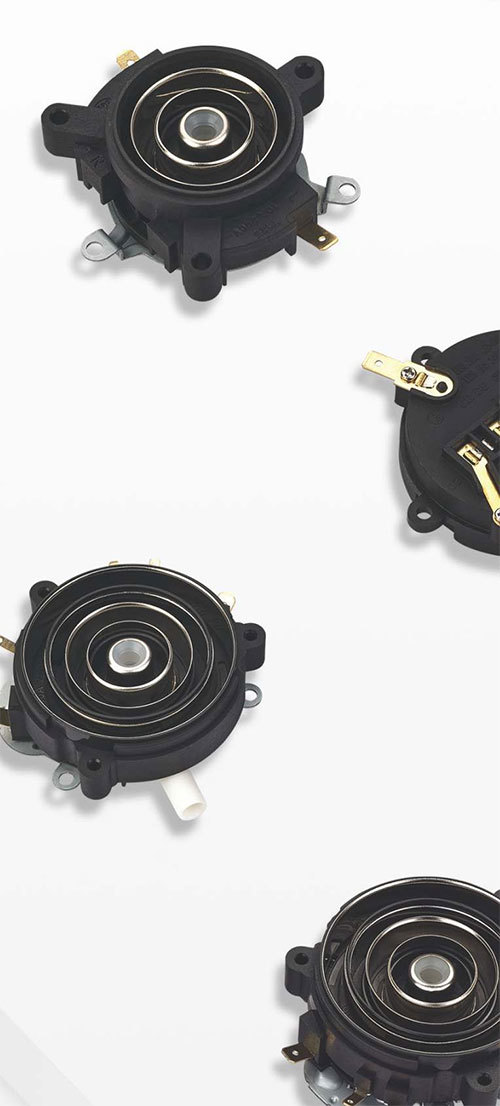
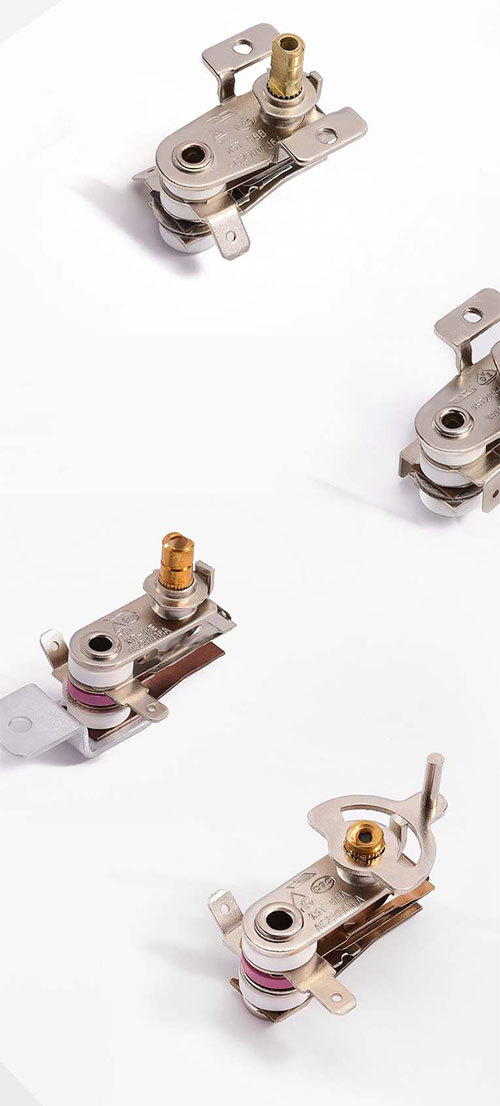
Mechanical thermostats are the traditional form of temperature control. They utilize a bi-metallic strip that bends in response to temperature changes, opening or closing electrical contacts. While reliable, they may not offer the precision of modern alternatives.
2. Digital Thermostats
Digital thermostats provide precise temperature readings and can be programmed for different times and days. These devices often include features such as programmable schedules, remote access, and Wi-Fi connectivity, enhancing their usability.
3. Smart Thermostats
Smart thermostats take digital technology a step further by learning user habits and making automatic adjustments. They can be controlled remotely via smartphone apps and integrate with other smart home devices, leading to optimized energy usage.
The Benefits of Implementing Temperature Control Switches
Integrating temperature control switches into building management systems offers numerous advantages.
1. Enhanced Energy Efficiency
Temperature control switches significantly contribute to energy savings. By ensuring that the HVAC systems operate only when needed, they prevent unnecessary energy expenditure, translating into lower utility bills.
2. Improved Comfort Levels
Maintaining a consistent temperature enhances occupant comfort. Temperature control switches allow for precise adjustments, ensuring that spaces remain comfortable regardless of external temperature fluctuations.
3. Extended Equipment Lifespan
By reducing the wear and tear on HVAC systems, temperature control switches can prolong the life of heating and cooling equipment. This can lead to lower maintenance costs and fewer replacements over time.
4. Contribution to Sustainability Goals
For businesses and organizations focused on sustainability, temperature control switches provide a pathway to reduce carbon footprints. By enhancing energy efficiency, these devices contribute to lower greenhouse gas emissions.
5. Increased Property Value
Buildings equipped with modern temperature control systems are often more attractive to buyers and tenants. Energy-efficient features can significantly enhance the value and marketability of a property.
How to Integrate Temperature Control Switches in Buildings
Integrating temperature control switches requires a thoughtful approach to ensure optimal performance.
1. Assessing Current Systems
Before implementation, it's vital to assess the existing HVAC system. Understanding its capabilities and limitations will help in selecting the appropriate temperature control switch.
2. Choosing the Right Type of Switch
Based on the assessment, choose the type of temperature control switch that meets the specific needs of the building. Consider factors such as budget, desired features, and compatibility with existing systems.
3. Professional Installation
While some temperature control switches can be installed by DIY enthusiasts, seeking professional installation ensures that the system operates correctly and efficiently. Professionals can also provide valuable insights into optimizing the system.
4. Regular Maintenance
To maintain efficiency, regular maintenance of temperature control switches and HVAC systems is essential. This includes cleaning, recalibrating, and inspecting components to ensure they function as intended.
Real-World Applications of Temperature Control Switches
Temperature control switches find applications across various sectors, showcasing their versatility and effectiveness in enhancing energy efficiency.
1. Residential Buildings
In homes, temperature control switches allow for personalized climate control, enhancing comfort while minimizing energy usage. Smart thermostats can adapt to the homeowner's lifestyle, further optimizing energy consumption.
2. Commercial Buildings
In commercial settings, temperature control switches can manage large HVAC systems efficiently. They help maintain optimal working conditions while reducing operational costs.
3. Industrial Facilities
Industrial applications often require precise temperature control for processes and equipment. Temperature control switches ensure optimal functioning, reducing energy waste and improving productivity.
Innovative Technologies Enhancing Temperature Control
Advancements in technology continue to improve temperature control switches, making them more effective and user-friendly.
1. Integration with IoT
The Internet of Things (IoT) allows temperature control switches to communicate with other smart devices, creating a cohesive building management system. This integration leads to data-driven decisions for energy management.
2. Machine Learning Algorithms
Machine learning algorithms can analyze usage patterns to optimize temperature settings. By predicting when to increase or decrease heating and cooling, they can further enhance energy efficiency.
Challenges in Implementing Temperature Control Switches
While the benefits are significant, there are challenges associated with the implementation of temperature control switches.
1. Initial Investment Costs
The upfront costs for purchasing and installing advanced temperature control switches can be high. However, they often pay off through long-term energy savings.
2. Resistance to Change
In some cases, occupants may resist changes to existing systems. Proper training and communication about the benefits can mitigate this resistance.
3. System Compatibility
Older HVAC systems may not be compatible with modern temperature control switches. In such cases, upgrades may be necessary, which can add to the costs.
FAQs About Temperature Control Switches
1. What is a temperature control switch?
A temperature control switch is a device that regulates the operation of HVAC systems based on the temperature within a building, enhancing energy efficiency.
2. How can temperature control switches save energy?
By ensuring HVAC systems operate only when needed, temperature control switches help reduce unnecessary energy consumption, leading to lower utility bills.
3. Are smart thermostats worth the investment?
Yes, smart thermostats offer features that enhance energy efficiency, improve comfort, and allow for remote access, making them a valuable investment for many homeowners and businesses.
4. How often should I recalibrate my temperature control switch?
It's advisable to recalibrate temperature control switches at least once a year during routine maintenance checks to ensure accurate temperature readings and optimal performance.
5. Can temperature control switches be installed in older buildings?
Yes, temperature control switches can be installed in older buildings, although compatibility with existing HVAC systems should be assessed, and upgrades may be necessary.
Conclusion
Temperature control switches play a vital role in enhancing **energy efficiency** in buildings. By regulating HVAC systems based on real-time temperature data, these devices not only improve occupant comfort but also lead to significant energy savings and sustainability. As technology continues to evolve, embracing innovative temperature control solutions can help property owners and managers create more efficient, cost-effective, and environmentally friendly buildings. Investing in temperature control switches is not just a smart choice; it's a necessary step toward sustainable building management.
Keyword: How a Temperature Control Switch Can Enhance Energy Efficiency in Buildings
RELATED INFORMATION

How Temperature Controller Thermostats Significantly Enhance Home Energy Efficiency
How Temperature Controller Thermostats Improve Energy Efficiency in Homes Introduction to Temperature Controller Thermostats In today’s eco-conscious world, homeowners are increasingly seeking ways to reduce energy consumption while maintaining a comfortable living environment. Temperature controller thermostats play a pivotal role in this pursuit. By intelligently managing the heating and cooling
2025/12/03
Understanding Temperature Controller Thermostats: Essential Insights for Your Building Projects
--- Temperature controller thermostats play a crucial role in modern building and decoration projects, especially in optimizing indoor climate control. These devices are engineered to regulate heating and cooling systems, ensuring that spaces maintain a comfortable temperature. Understanding their functionality and benefits can greatly enhance your project’s efficiency and effectiveness. At the co
2025/11/26

Huilonghas passedls09001 certification in2003.0ur products are compliant with EU RoHS Directiveand certified by COC, VDE, UL, TUV, CE,CB.
Contact Us
+86-757-28397819
C1 Building, CSCEC'S S&TInnovation Park, No.81,Xijiao Road, Ronggui, Shunde, Foshan, Guangdong Province

Mobile Website