
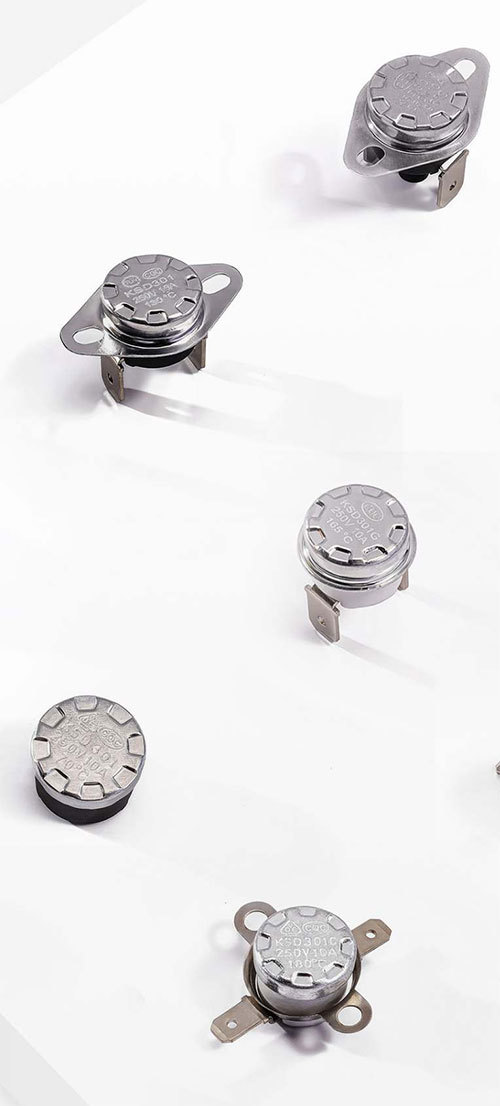
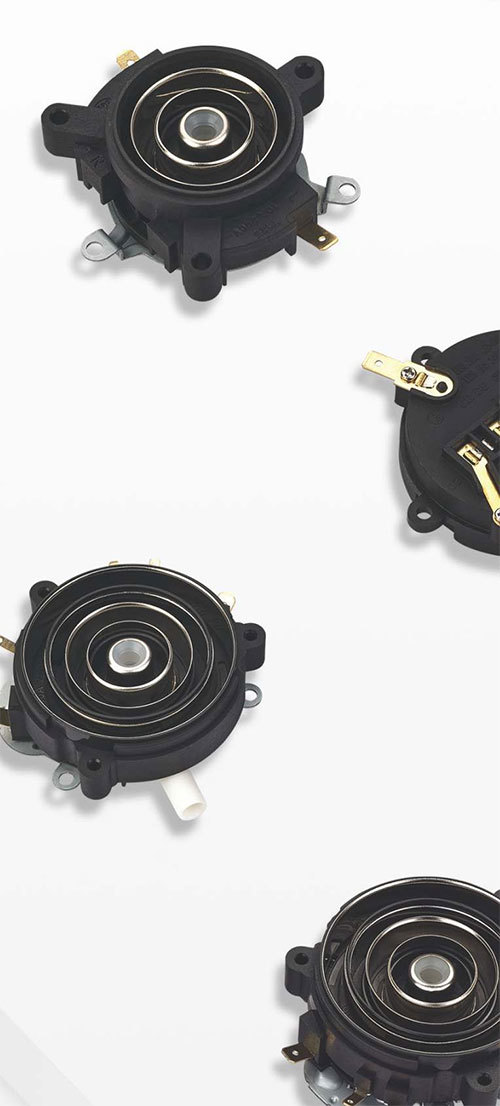
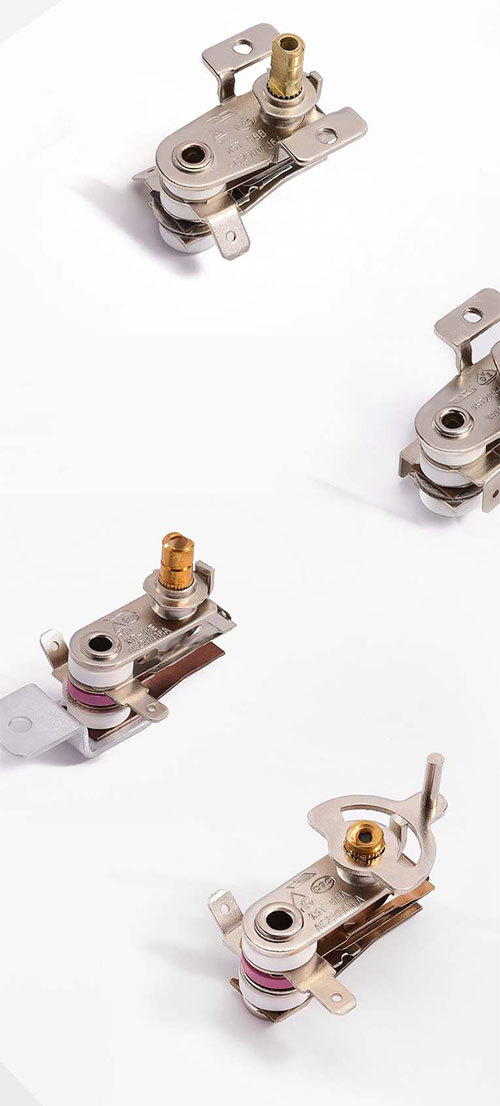
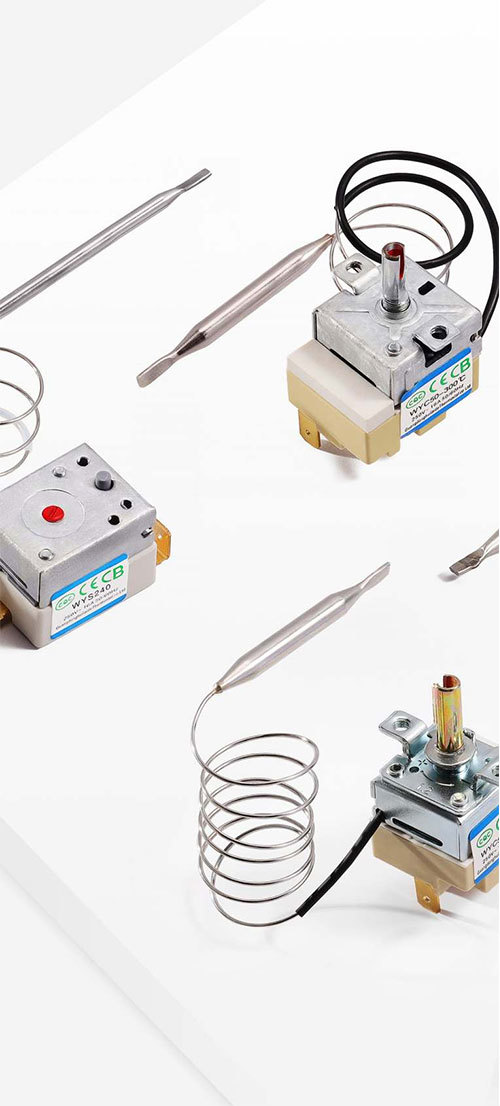
How Temperature Controller Thermostats Significantly Enhance Home Energy Efficiency
Classification: knowledge
Time:2025-12-03
How Temperature Controller Thermostats Improve Energy Efficiency in Homes
Introduction to Temperature Controller Thermostats
In today’s eco-conscious world, homeowners are increasingly seeking ways to reduce energy consumption while maintaining a comfortable living environment. Temperature controller thermostats play a pivotal role in this pursuit. By intelligently managing the heating and cooling systems in our homes, these devices can lead to significant energy savings. In this article, we will explore how temperature controller thermostats work, their benefits, and how they can enhance energy efficiency in your home.
The Importance of Energy Efficiency in Homes
Energy efficiency is not just a trend; it is a necessity. With rising energy costs and growing concerns about environmental sustainability, maximizing energy efficiency in our homes has never been more critical. By using less energy to achieve the same level of comfort, we not only save money on utility bills but also reduce our carbon footprint.
Understanding Energy Consumption in Households
Homes are responsible for a substantial portion of energy consumption. Heating and cooling systems alone account for nearly half of the energy used in residential buildings. By improving the efficiency of these systems, homeowners can make a significant impact on their overall energy use.
What Are Temperature Controller Thermostats?
Temperature controller thermostats are devices that regulate the temperature of a home by controlling the heating and cooling systems. Unlike traditional thermostats, which simply turn the system on or off based on a set temperature, modern temperature controllers offer advanced features such as programmable schedules, remote access, and learning capabilities.
How Do Temperature Controller Thermostats Work?
These thermostats utilize sensors to monitor indoor temperatures continuously. When the temperature deviates from the desired setting, the thermostat signals the HVAC system to adjust accordingly. Many models also learn from user behavior, adapting their settings based on when the home is occupied or unoccupied.
Types of Temperature Controller Thermostats
1. **Programmable Thermostats**: Allow users to set specific temperature schedules for different times of the day or days of the week.
2. **Smart Thermostats**: Connect to Wi-Fi, enabling remote access via smartphone apps and integration with smart home systems.
3. **Learning Thermostats**: Automatically adjust settings based on user patterns and preferences, optimizing energy use without manual input.
Benefits of Using Temperature Controller Thermostats
1. Enhanced Energy Savings
Investing in a temperature controller thermostat can lead to substantial energy savings. By allowing homeowners to customize their heating and cooling schedules, these devices ensure that energy is not wasted when the house is empty.
2. Improved Comfort Levels
With precise temperature control, temperature controller thermostats can maintain a consistent indoor climate. This stability is crucial for personal comfort and well-being.
3. Reduced Environmental Impact
By using less energy, homeowners can decrease their reliance on fossil fuels, thus contributing to lower greenhouse gas emissions. This aligns with global efforts to combat climate change and promote environmental sustainability.
4. Convenience and Automation
Smart thermostats offer the convenience of remote control and automation. Homeowners can adjust settings from anywhere using a smartphone, ensuring their home is always at the desired temperature upon arrival.
How Temperature Controller Thermostats Contribute to Energy Efficiency
1. Smart Scheduling
One of the most significant advantages of temperature controller thermostats is their ability to create smart schedules. By setting specific heating and cooling times, homeowners can prevent energy wastage during periods of inactivity.
2. Geofencing Capabilities
Many smart thermostats come equipped with geofencing technology. This feature detects when the homeowner is approaching or leaving the house, automatically adjusting the temperature to optimize energy use.
3. Zoning Systems Integration
Temperature controller thermostats can work alongside zoning systems, allowing different areas of the house to be heated or cooled independently. This targeted approach maximizes comfort and energy efficiency by ensuring that only occupied rooms are conditioned.
4. Energy Usage Reports
Smart thermostats provide users with detailed reports on their energy consumption. By analyzing this data, homeowners can identify patterns and make informed decisions to further enhance energy efficiency.
Choosing the Right Temperature Controller Thermostat for Your Home
1. Assess Your Needs
Understanding your heating and cooling requirements is essential. Consider the size of your home, the existing HVAC system, and any specific features you desire, such as Wi-Fi connectivity or learning capabilities.
2. Compare Features
Not all thermostats are created equal. Look for features that align with your lifestyle, such as programmable settings, energy usage reports, and compatibility with smart home systems.
3. Consider Installation Options
Some thermostats are easy to install and can be set up by the homeowner, while others may require professional installation. Assess your comfort level with DIY tasks when selecting a thermostat.
Installation and Maintenance of Temperature Controller Thermostats
1. Installation Basics
Most temperature controller thermostats come with detailed installation instructions. Ensure that the power to your HVAC system is turned off before proceeding, and follow the manufacturer’s guidelines carefully.
2. Maintaining Your Thermostat
To ensure optimal performance, regularly check and clean your thermostat. Dust and debris can affect its accuracy, leading to inefficient energy use. Additionally, keep an eye on your HVAC system and schedule routine maintenance to enhance its efficiency.
Cost-Benefit Analysis of Temperature Controller Thermostats
1. Initial Investment
The cost of temperature controller thermostats varies based on features and complexity. While smart models may have a higher upfront cost, their long-term savings on energy bills can offset this initial expense.
2. Long-Term Savings
Households that adopt temperature controller thermostats often experience significant reductions in energy costs. Many users report savings of up to 15% annually on heating and cooling bills, making these devices a financially sound investment.
FAQs About Temperature Controller Thermostats
1. How much can I save on my energy bills with a temperature controller thermostat?
Many homeowners report savings of 10-15% on their heating and cooling bills after installing a temperature controller thermostat, depending on usage patterns.
2. Are smart thermostats worth the investment?
Yes, smart thermostats provide enhanced energy savings, convenience, and the ability to monitor energy usage, making them a worthwhile investment for many homeowners.
3. Can I install a temperature controller thermostat myself?
Most models come with user-friendly installation instructions. However, if you are unsure, hiring a professional can ensure proper setup.
4. How do I maintain my temperature controller thermostat?
Regularly check for dust buildup and clean your thermostat to ensure accuracy. Also, schedule routine maintenance for your HVAC system.
5. What features should I look for in a temperature controller thermostat?
Consider features such as Wi-Fi connectivity, mobile app access, learning capabilities, and user-friendly interfaces when selecting a thermostat.
Conclusion
Temperature controller thermostats are a game-changer in the quest for energy efficiency in homes. By optimizing heating and cooling systems, these devices not only enhance comfort but also contribute to significant energy savings and a reduced carbon footprint. As we strive for a more sustainable future, integrating temperature controller thermostats into our homes represents a proactive step toward energy efficiency. Embrace the technology, enjoy the benefits, and make a positive impact on both your wallet and the environment.
Keyword: How Temperature Controller Thermostats Significantly Enhance Home Energy Efficiency
RELATED INFORMATION

How Temperature Controller Thermostats Significantly Enhance Home Energy Efficiency
How Temperature Controller Thermostats Improve Energy Efficiency in Homes Introduction to Temperature Controller Thermostats In today’s eco-conscious world, homeowners are increasingly seeking ways to reduce energy consumption while maintaining a comfortable living environment. Temperature controller thermostats play a pivotal role in this pursuit. By intelligently managing the heating and cooling
2025/12/03
Understanding Temperature Controller Thermostats: Essential Insights for Your Building Projects
--- Temperature controller thermostats play a crucial role in modern building and decoration projects, especially in optimizing indoor climate control. These devices are engineered to regulate heating and cooling systems, ensuring that spaces maintain a comfortable temperature. Understanding their functionality and benefits can greatly enhance your project’s efficiency and effectiveness. At the co
2025/11/26

Huilonghas passedls09001 certification in2003.0ur products are compliant with EU RoHS Directiveand certified by COC, VDE, UL, TUV, CE,CB.
Contact Us
+86-757-28397819
C1 Building, CSCEC'S S&TInnovation Park, No.81,Xijiao Road, Ronggui, Shunde, Foshan, Guangdong Province

Mobile Website