
The Essential Guide to 12 Volt Adjustable Thermostats for Chemical Laboratory Applications
Classification: knowledge
Time:2026-03-20
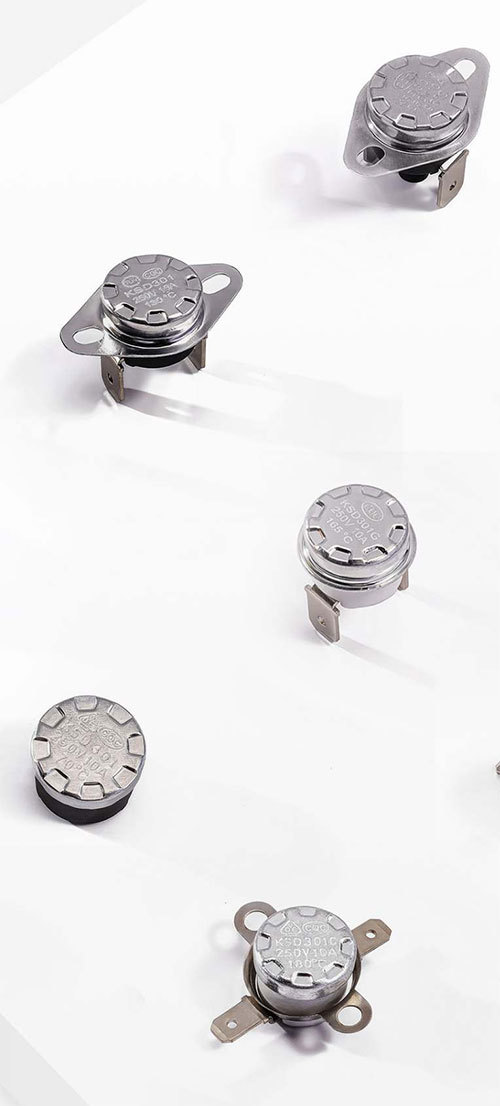
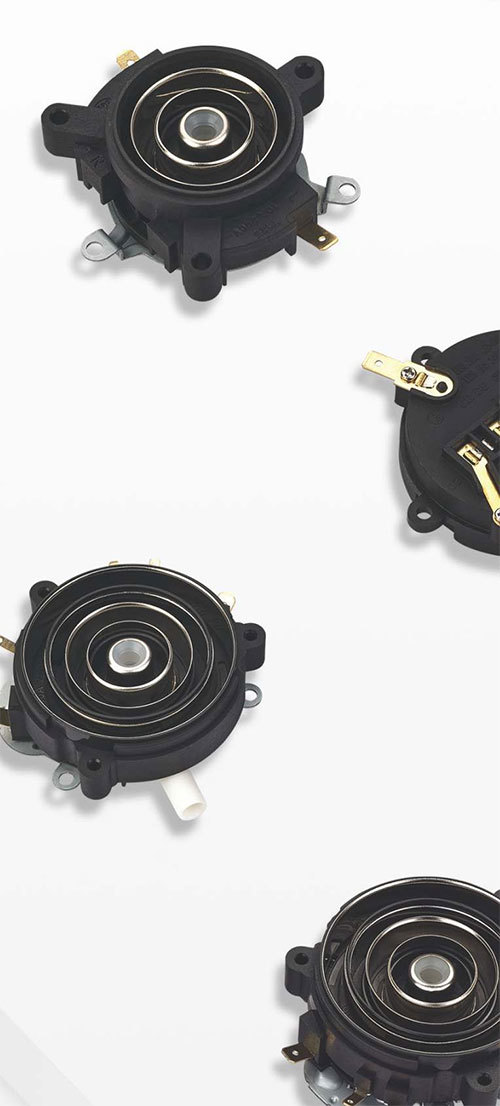
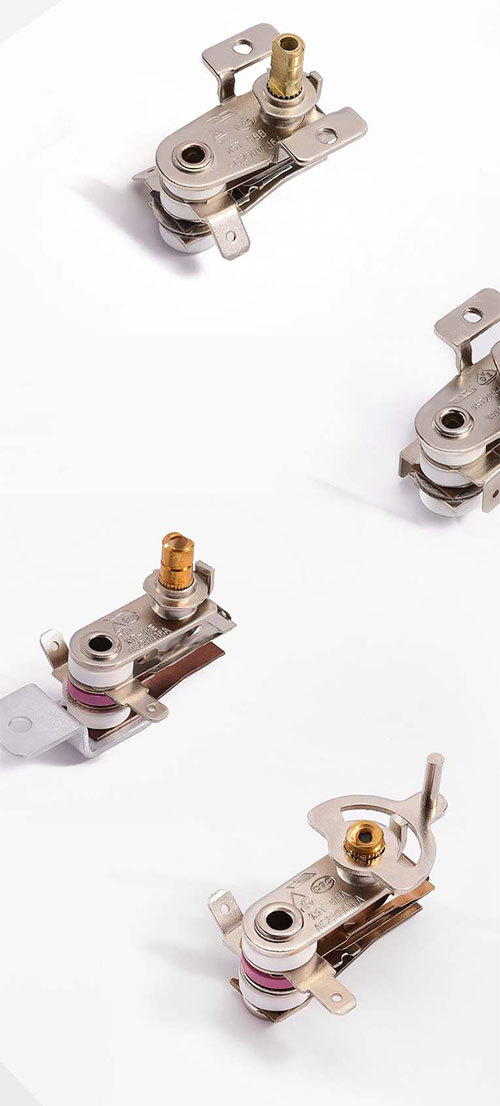
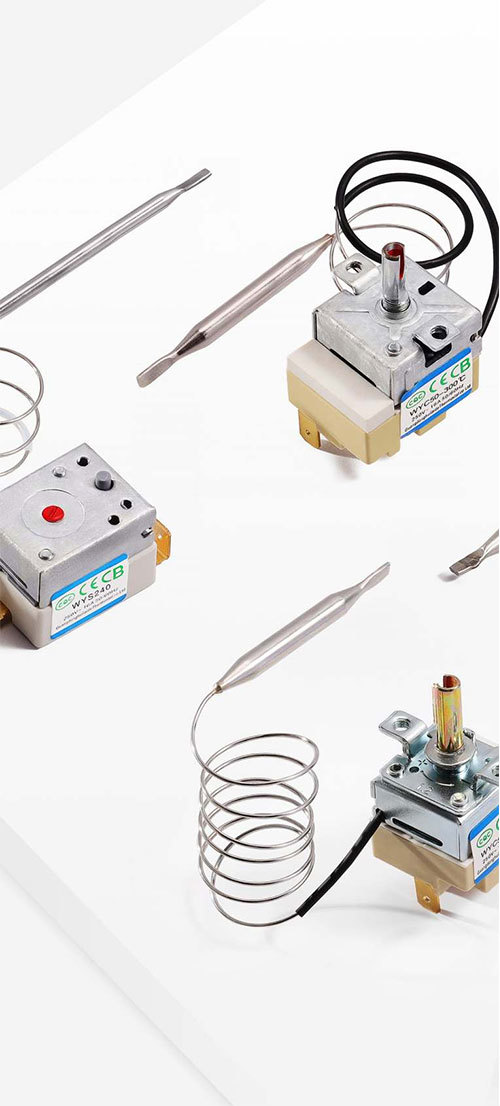
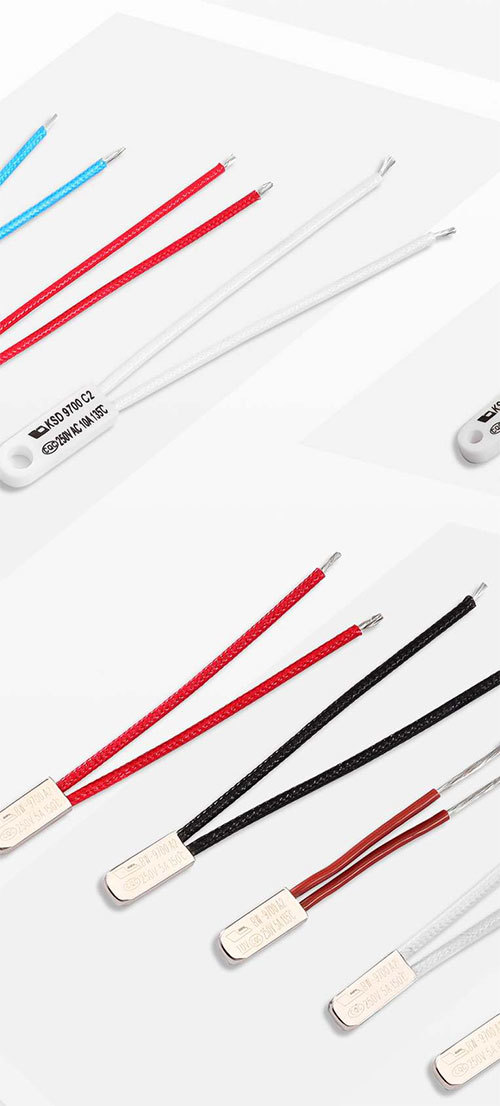
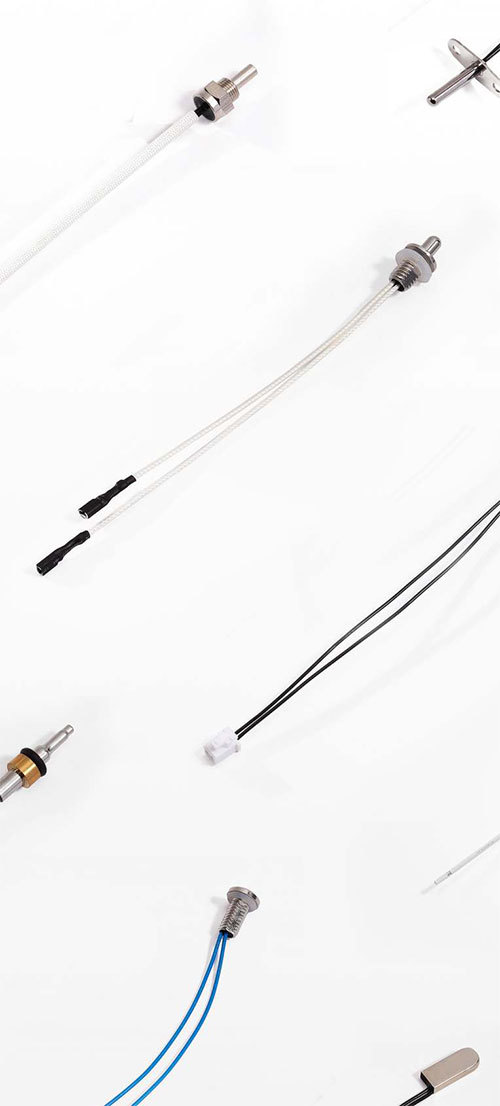
A 12 volt adjustable thermostat operates on a low voltage system, making it safe and efficient for laboratory use. The adjustable feature allows users to set specific temperature thresholds according to the requirements of their experiments or equipment. This adaptability is essential in a chemical lab where different processes may require varying temperature conditions. By fine-tuning the thermostat, researchers can maintain optimal temperatures, thus improving experimental outcomes and ensuring the integrity of sensitive chemical reactions.
One of the primary benefits of using a 12 volt adjustable thermostat is its energy efficiency. Operating at a lower voltage not only reduces electricity consumption but also minimizes the risk of overheating, which can be detrimental in a laboratory environment. This efficiency translates into reduced operational costs and a greener approach to laboratory management. Furthermore, many adjustable thermostats come equipped with features such as digital displays and programmable settings, allowing users to monitor and control temperatures with precision.
When selecting a 12 volt adjustable thermostat for your laboratory, a few critical factors should be considered. First, assess the temperature range that the thermostat can accommodate. Different experiments may necessitate different temperature settings, so ensure the thermostat can meet these demands. Additionally, consider the accuracy and sensitivity of the thermostat. A highly accurate thermostat will provide more reliable temperature control, which is essential for the validity of experimental results.
Another important aspect to evaluate is the ease of installation and integration with existing laboratory equipment. A user-friendly design can save time and reduce the likelihood of errors during setup. Moreover, ensure that the thermostat complies with safety standards applicable to chemical laboratories. This includes features such as overload protection and the ability to withstand the environmental conditions typically present in lab settings.
In conclusion, a 12 volt adjustable thermostat is a vital tool for maintaining precise temperature control in chemical laboratories. Its energy efficiency, adaptability, and precision make it an excellent choice for various applications. When selecting a thermostat, consider the temperature range, accuracy, ease of installation, and safety features to ensure you choose the best option for your laboratory needs. With the right thermostat, you can enhance the quality and reliability of your experiments, leading to more successful outcomes.
Keyword: The Essential Guide to 12 Volt Adjustable Thermostats for Chemical Laboratory Applications
RELATED INFORMATION

Why Every Lab Needs an Adjustable Thermostat Heater for Precision
Why Every Lab Needs an Adjustable Thermostat Heater for Precision Introduction: The Importance of Temperature Control in Laboratories In the world of scientific research and experimentation, maintaining precise temperature conditions is essential. Variations in temperature can lead to inconsistent results, affecting the reliability of experiments and potentially skewing data. This is where adjus
2026/04/24

Mastering Climate Control: The Importance of Adjustable Thermostat Control in Laboratory Settings
--- In laboratory environments, maintaining a consistent and accurate temperature is vital for successful experiments, especially when dealing with sensitive chemical reactions. The adjustable thermostat control serves as a foundational component in ensuring that researchers can create the ideal climate for their work. This article delves into the benefits and functionalities of adjustable thermos
2026/04/17

Huilonghas passedls09001 certification in2003.0ur products are compliant with EU RoHS Directiveand certified by COC, VDE, UL, TUV, CE,CB.
Contact Us
+86-757-28397819
C1 Building, CSCEC'S S&TInnovation Park, No.81,Xijiao Road, Ronggui, Shunde, Foshan, Guangdong Province

Mobile Website