

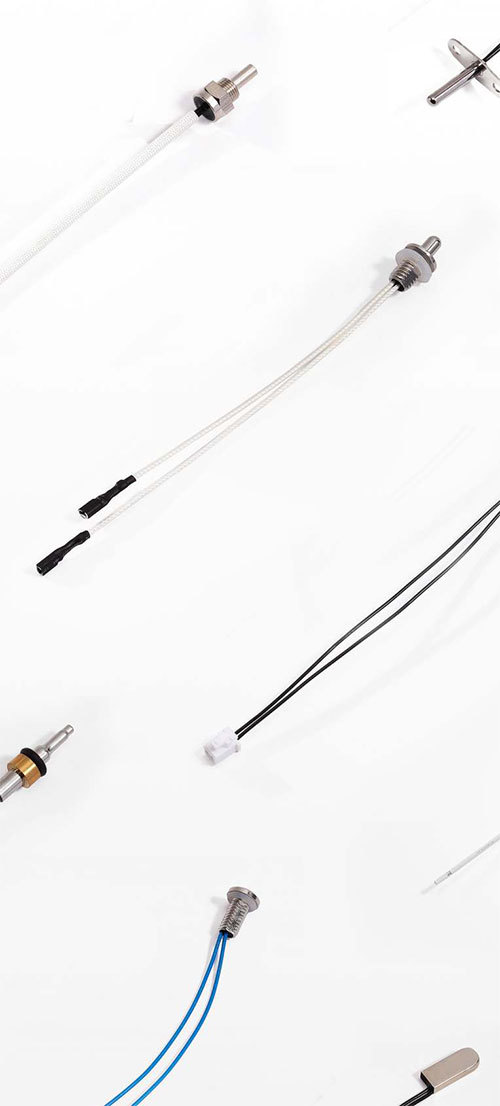
Mastering Boiler Temperature Control: Key Insights for Professionals
Classification: knowledge
Time:2025-12-24
The primary function of a boiler is to convert water into steam or hot water for heating purposes. Maintaining the right temperature is vital, as it directly impacts energy consumption and system performance. Generally, boilers should operate at a temperature that balances system demands with energy efficiency. Too high a temperature can lead to overheating, increased fuel consumption, and potential safety hazards, while too low a setting may result in insufficient heating and increased wear on the system components.
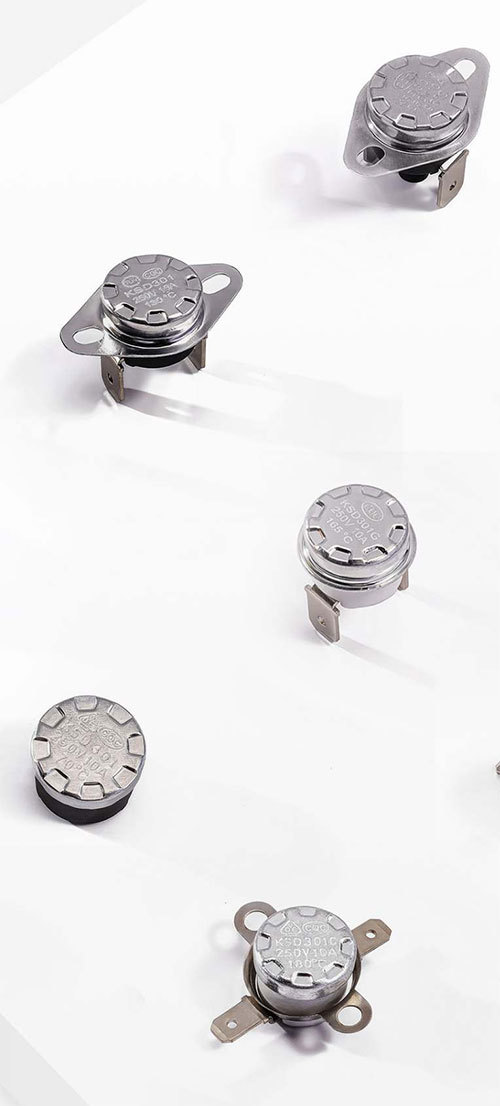
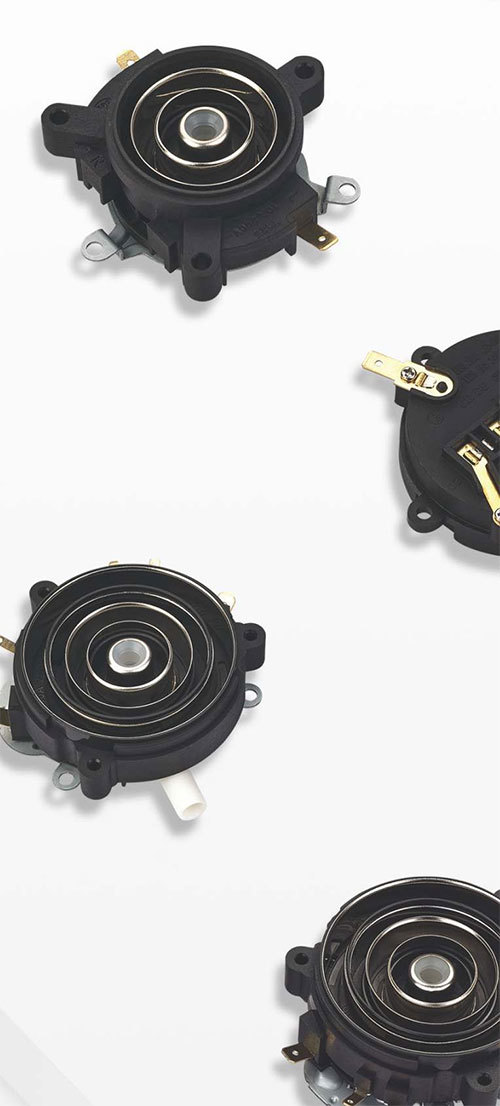
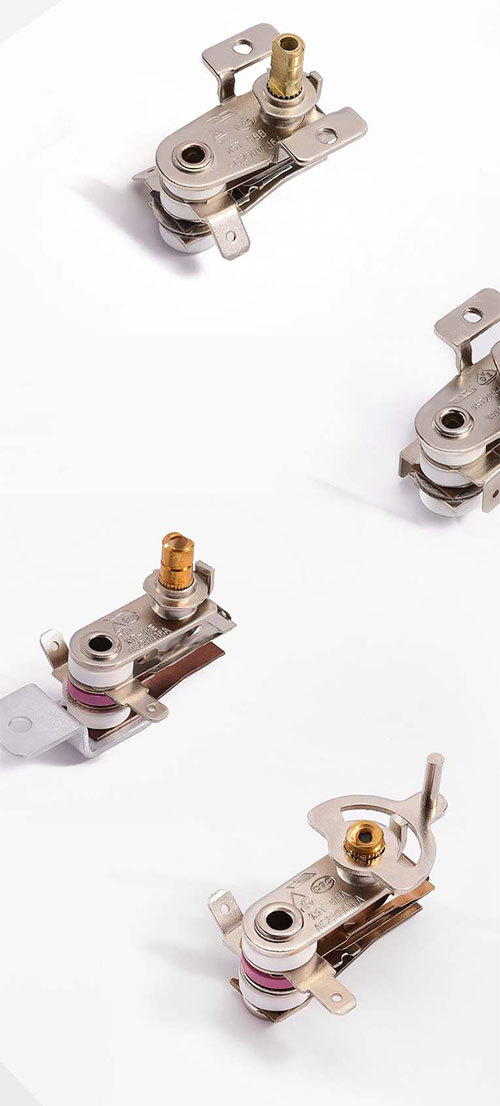
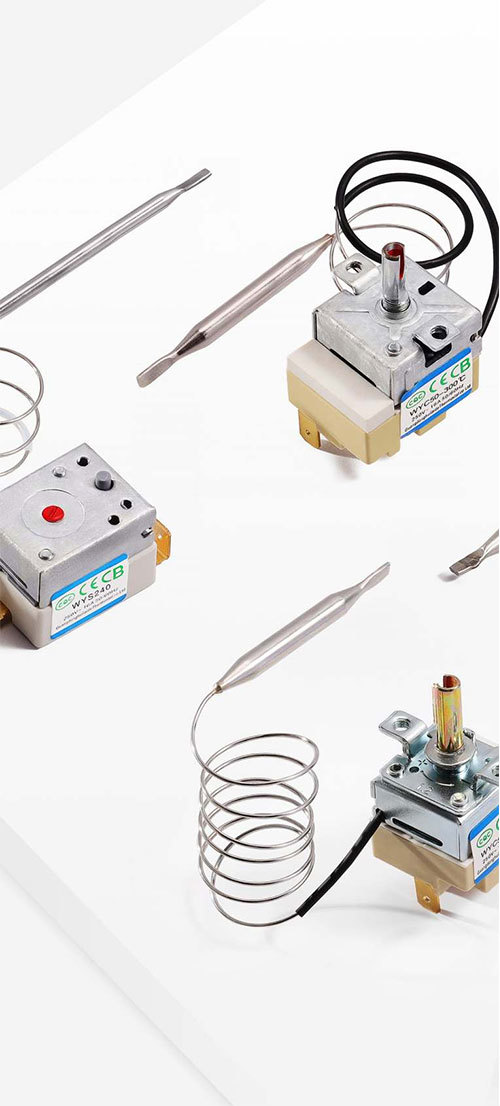
Temperature control in boilers is typically achieved through various mechanisms, including thermostats, pressure sensors, and advanced control systems. Thermostats play a pivotal role by sensing the temperature of the water and adjusting the heat output accordingly. In modern systems, programmable thermostats and smart controls allow users to set specific temperature schedules, optimizing energy usage based on occupancy patterns and external weather conditions.
One of the key practices for effective boiler temperature control is regular maintenance. Routine checks and servicing can help identify any inefficiencies or potential issues, such as sediment buildup or malfunctioning components, which may hinder the system's performance. Additionally, ensuring that the insulation around pipes and the boiler itself is in good condition can help maintain consistent temperatures and reduce energy losses.
Another aspect to consider is the integration of a zoning system. This allows for different areas of a building to be heated to varying temperatures based on their specific needs. By implementing zoning in conjunction with effective boiler temperature control, users can achieve greater comfort and efficiency throughout the entire space.
In conclusion, mastering boiler temperature control is essential for professionals in the architecture and decorative materials industry. By understanding the mechanisms involved and implementing best practices, one can enhance energy efficiency, prolong the lifespan of the system, and ensure a comfortable environment. Staying informed about advancements in control technology and maintenance practices will further support effective temperature management, leading to improved operational outcomes.
Keyword: Mastering Boiler Temperature Control: Key Insights for Professionals
RELATED INFORMATION
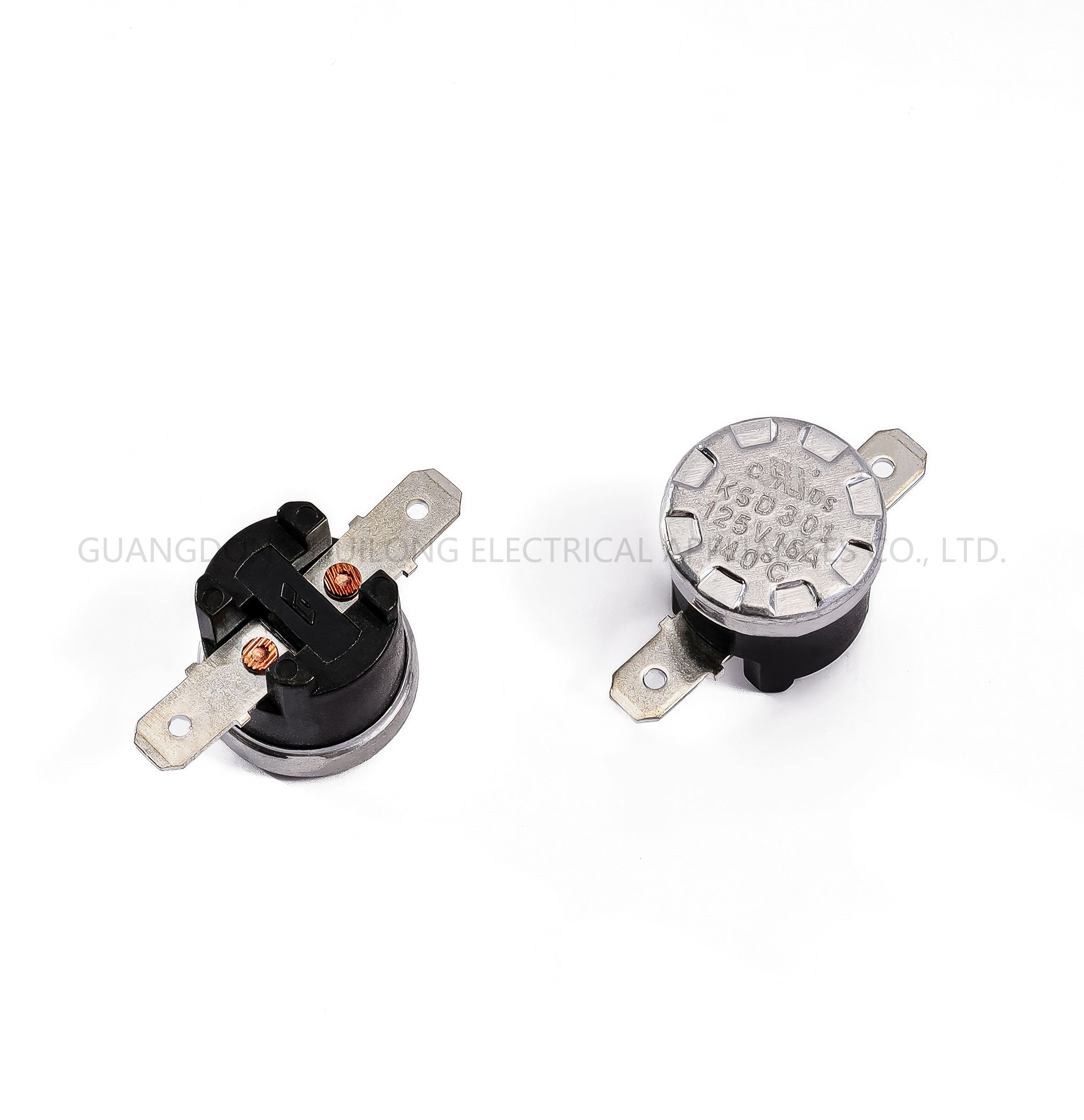
Maximize Energy Efficiency in Your Building with Transformer Temperature Controllers
Maximize Energy Efficiency in Your Building with Transformer Temperature Controllers In today’s world, maximizing energy efficiency in buildings is more crucial than ever. **Transformer temperature controllers** play a pivotal role in achieving this goal. These devices not only enhance the comfort of building occupants but also significantly reduce energy consumption. This comprehensive guide wi
2026/01/30

Heating mantle temperature controllers are critical devices used in various laboratory and industrial applications, particularly where precise heating is essential. These controllers are designed to regulate the temperature of heating mantles, which are often used to heat flasks or beakers uniformly. Understanding how these systems work is essential for professionals in the building and decorative
2026/01/21

Huilonghas passedls09001 certification in2003.0ur products are compliant with EU RoHS Directiveand certified by COC, VDE, UL, TUV, CE,CB.
Contact Us
+86-757-28397819
C1 Building, CSCEC'S S&TInnovation Park, No.81,Xijiao Road, Ronggui, Shunde, Foshan, Guangdong Province

Mobile Website