
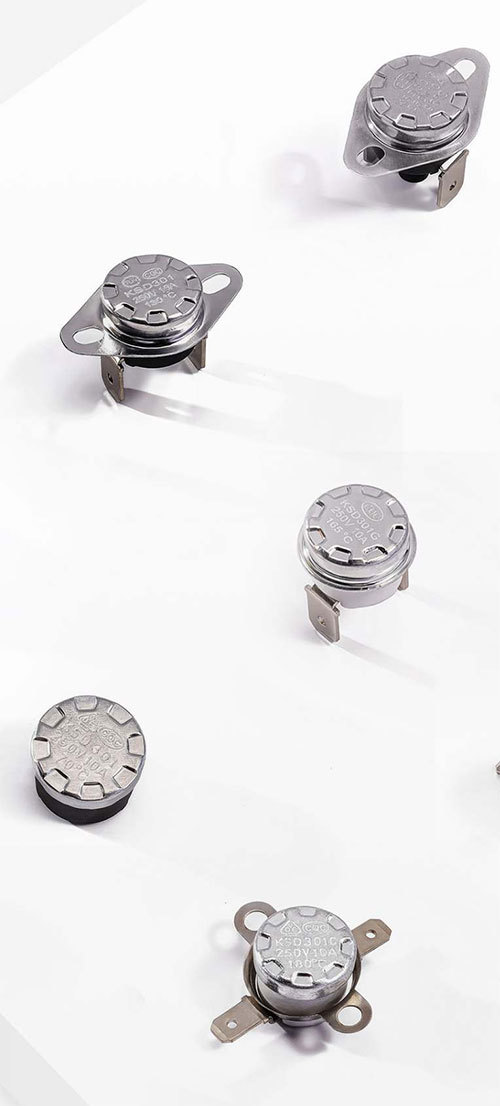
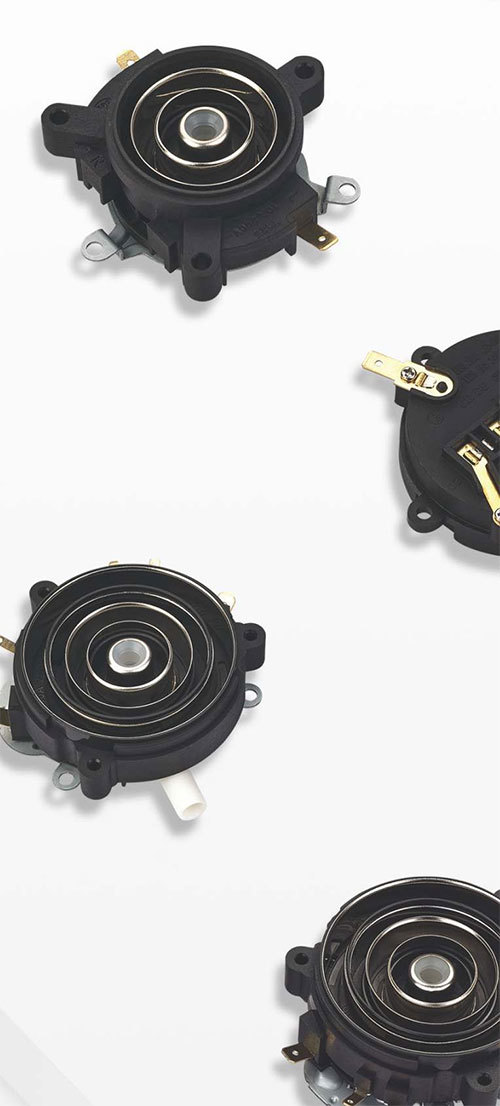
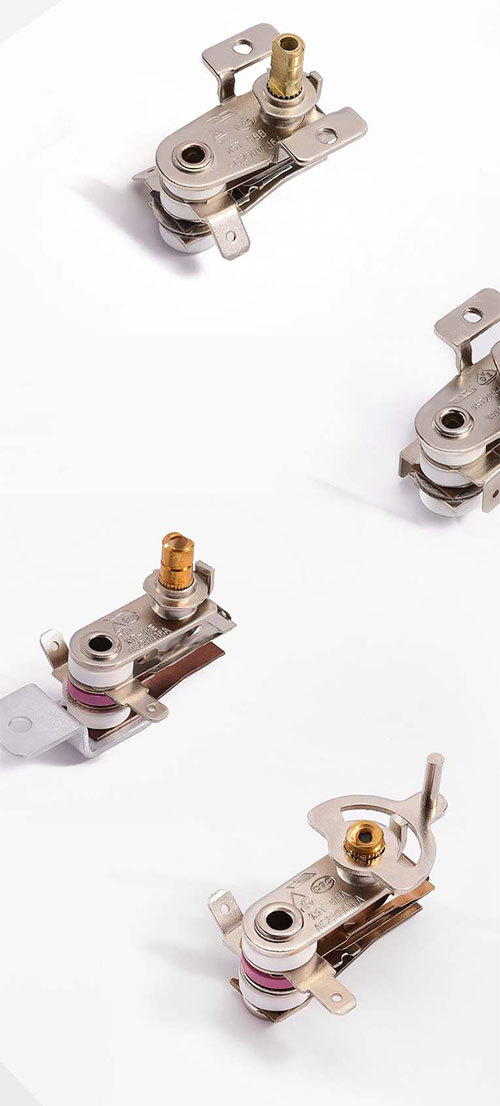
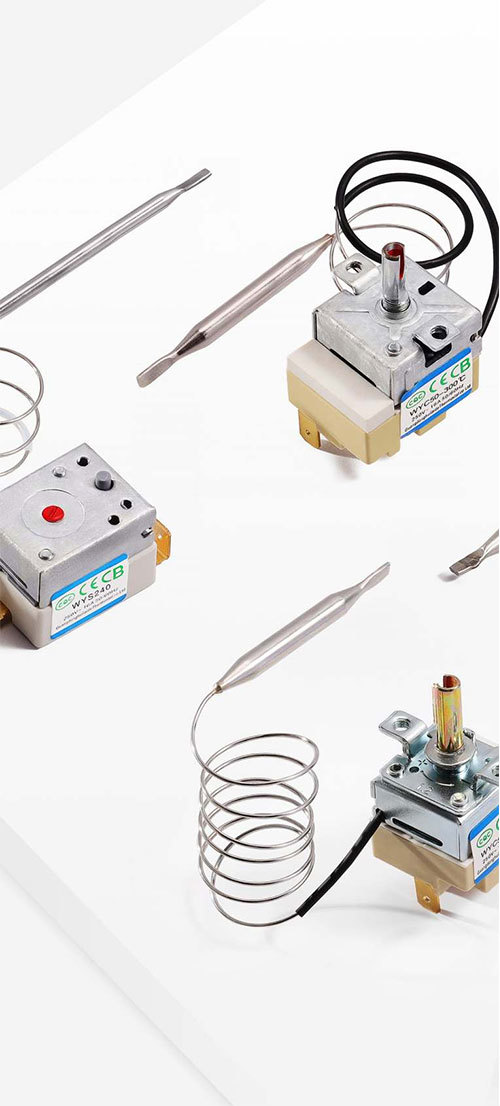

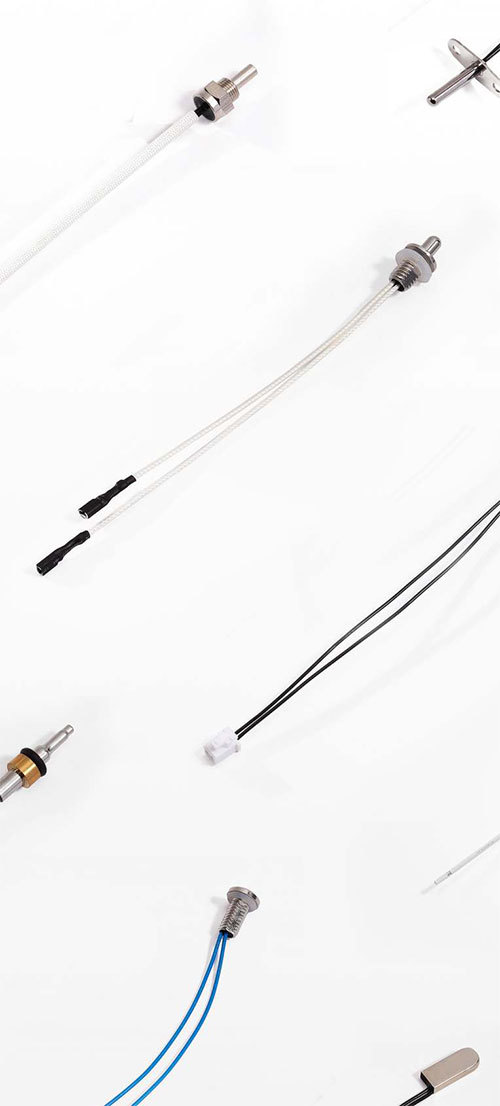
Maximize Energy Efficiency in Your Building with Transformer Temperature Controllers
Classification: knowledge
Time:2026-01-30
Maximize Energy Efficiency in Your Building with Transformer Temperature Controllers
In today’s world, maximizing energy efficiency in buildings is more crucial than ever. **Transformer temperature controllers** play a pivotal role in achieving this goal. These devices not only enhance the comfort of building occupants but also significantly reduce energy consumption. This comprehensive guide will explore how transformer temperature controllers can optimize your building’s efficiency, providing you with practical tips and insights to implement these systems effectively.
Table of Contents
- Understanding Transformer Temperature Controllers
- Benefits of Using Transformer Temperature Controllers
- How Transformer Temperature Controllers Work
- Steps to Optimize Energy Efficiency with Transformer Temperature Controllers
- Common Mistakes to Avoid When Using Temperature Controllers
- Maintenance and Monitoring of Transformer Temperature Controllers
- Case Studies and Success Stories
- FAQs
Understanding Transformer Temperature Controllers
Transformer temperature controllers are devices designed to manage the temperature levels within electrical transformers and associated equipment. By maintaining optimal operating conditions, these controllers help prevent overheating, extend equipment life, and improve overall efficiency. They utilize sensors to monitor temperature fluctuations and automatically adjust cooling or heating mechanisms as needed.
Key Components of Transformer Temperature Controllers
The typical transformer temperature controller includes several key components: sensors, control units, and actuators. Sensors monitor the ambient temperature and send data to the control unit, which processes the information and activates the necessary actuators to regulate the temperature effectively. This closed-loop system ensures that temperature variations are promptly addressed, minimizing the risk of system failure.
Benefits of Using Transformer Temperature Controllers
Employing transformer temperature controllers in your building comes with a multitude of benefits that can significantly impact energy efficiency and operational costs. Here are some of the primary advantages:
1. Enhanced Energy Efficiency
One of the most compelling reasons to use transformer temperature controllers is their ability to enhance energy efficiency. By ensuring that transformers operate within optimal temperature ranges, these controllers reduce energy wastage. This efficiency translates into lower energy bills and a smaller carbon footprint.
2. Extended Equipment Lifespan
Overheating is one of the leading causes of transformer failure. Utilizing temperature controllers minimizes the risk of overheating, thereby extending the lifespan of your equipment. This longevity reduces replacement costs and maintenance requirements, contributing to overall financial savings.
3. Improved Safety
High temperatures can pose significant safety hazards, including fire risks. Transformer temperature controllers help maintain safe operating conditions, protecting both equipment and personnel. This safety enhancement fosters a secure working environment for all building occupants.
4. Greater Comfort for Occupants
In commercial buildings, occupant comfort is paramount. Transformer temperature controllers help maintain stable temperatures, ensuring that spaces remain comfortable regardless of external weather conditions. This stability can lead to increased productivity and satisfaction among employees or tenants.
How Transformer Temperature Controllers Work
Understanding the operational mechanics of transformer temperature controllers is essential for effective implementation. These devices rely on a combination of sensors and control algorithms to function optimally.
1. Sensing the Environment
Sensors play a critical role in the functioning of temperature controllers. They continuously monitor the temperature of the transformer and its surroundings, providing real-time data to the control unit.
2. Processing Temperature Data
Once the data is collected, the control unit processes it against pre-set temperature thresholds. If the temperature exceeds these thresholds, the controller activates the cooling system, such as fans or cooling liquids, to bring the temperature back to an acceptable range.
3. Feedback Loop
This process creates a feedback loop where the controller continually adjusts operations based on the temperature data received from the sensors. This automated regulation ensures consistent performance and energy efficiency.
Steps to Optimize Energy Efficiency with Transformer Temperature Controllers
Implementing transformer temperature controllers effectively requires a systematic approach. Here are the key steps to follow:
1. Assess Your Building’s Needs
Begin by evaluating your building’s unique requirements. Consider factors such as the size of the transformers, their load capacities, and the environmental conditions. This assessment will help guide your selection of appropriate temperature controllers.
2. Choose the Right Controller
Select a transformer temperature controller that aligns with your building’s specifications. Look for features such as adjustable temperature settings, advanced sensors, and compatibility with existing systems. Consulting with a professional can help ensure you make the best choice.
3. Install with Precision
Proper installation is crucial for optimal performance. Engage qualified technicians to install the controllers, ensuring all components are correctly connected and configured. This step is essential to avoid operational issues down the line.
4. Monitor and Adjust Settings
After installation, monitor the temperature readings and adjust the controller settings as necessary. Regularly reviewing performance data allows for fine-tuning, maximizing energy efficiency over time.
5. Educate Staff
Training building staff on the operation and benefits of the temperature controllers can foster a culture of energy efficiency. Encourage staff to report any anomalies or issues, ensuring quick responses to potential problems.
Common Mistakes to Avoid When Using Temperature Controllers
While transformer temperature controllers can significantly enhance energy efficiency, several common pitfalls can hinder their effectiveness. Avoid the following mistakes:
1. Neglecting Regular Maintenance
Regular maintenance is essential for ensuring the longevity and effectiveness of temperature controllers. Failing to conduct routine checks can lead to malfunctions that undermine energy efficiency.
2. Overlooking Calibration Needs
Temperature sensors need to be calibrated periodically to maintain accuracy. Neglecting this step can result in erroneous readings and inefficient performance.
3. Inadequate Training
Failing to properly train staff can lead to misuse or misunderstanding of the temperature controllers. Ensuring that employees are well-informed about the system is crucial for maximizing its benefits.
Maintenance and Monitoring of Transformer Temperature Controllers
To ensure your transformer temperature controllers operate efficiently, a proactive maintenance and monitoring strategy is essential. Here are important aspects to consider:
1. Routine Inspections
Conduct regular inspections of both the controllers and the transformers. Look for signs of wear or malfunction, and promptly address any issues that arise.
2. Data Logging
Implement data logging systems to track temperature performance over time. Analyzing this data can provide insights into patterns and help identify areas for improvement.
3. Professional Servicing
Consider scheduling professional servicing annually. Technicians can perform detailed assessments, ensuring that your systems remain in peak condition.
Case Studies and Success Stories
Real-world examples illustrate the effectiveness of transformer temperature controllers in optimizing building efficiency. Here are a few notable case studies:
1. Commercial Office Building in New York City
A large office building in New York City implemented transformer temperature controllers and reported a 20% reduction in energy consumption within six months. This reduction translated into significant cost savings, enhancing the building’s overall sustainability.
2. Manufacturing Facility in California
A manufacturing facility in California faced overheating issues with their transformers. After installing temperature controllers, they experienced a marked decrease in downtime and a 15% increase in production efficiency.
FAQs
1. What are transformer temperature controllers?
Transformer temperature controllers are devices that regulate the temperature within transformers and associated equipment to prevent overheating and enhance energy efficiency.
2. How do transformer temperature controllers improve energy efficiency?
By maintaining optimal temperature levels, these controllers minimize energy wastage and ensure that equipment operates efficiently, leading to lower energy costs.
3. What maintenance is required for temperature controllers?
Routine inspections, sensor calibration, and periodic professional servicing are essential for maintaining the effectiveness of temperature controllers.
4. Can I install transformer temperature controllers myself?
While it is possible to install some types of controllers, professional installation is recommended to ensure proper configuration and operation.
5. Are there specific brands of transformer temperature controllers that are recommended?
While there are many reputable brands, the best choice depends on your building's specific needs. Consulting with industry professionals can help you make an informed selection.
Conclusion
Transformer temperature controllers are essential tools for optimizing energy efficiency in buildings. By understanding their functionality, benefits, and maintenance requirements, building owners can make informed decisions that lead to significant savings and improved operational performance. By avoiding common pitfalls and implementing a proactive approach to maintenance, the advantages of these controllers can be fully realized, contributing to a sustainable future for your building. Investing in transformer temperature controllers is not just a step towards efficiency; it’s a commitment to excellence in energy management.
Keyword: Maximize Energy Efficiency in Your Building with Transformer Temperature Controllers
RELATED INFORMATION
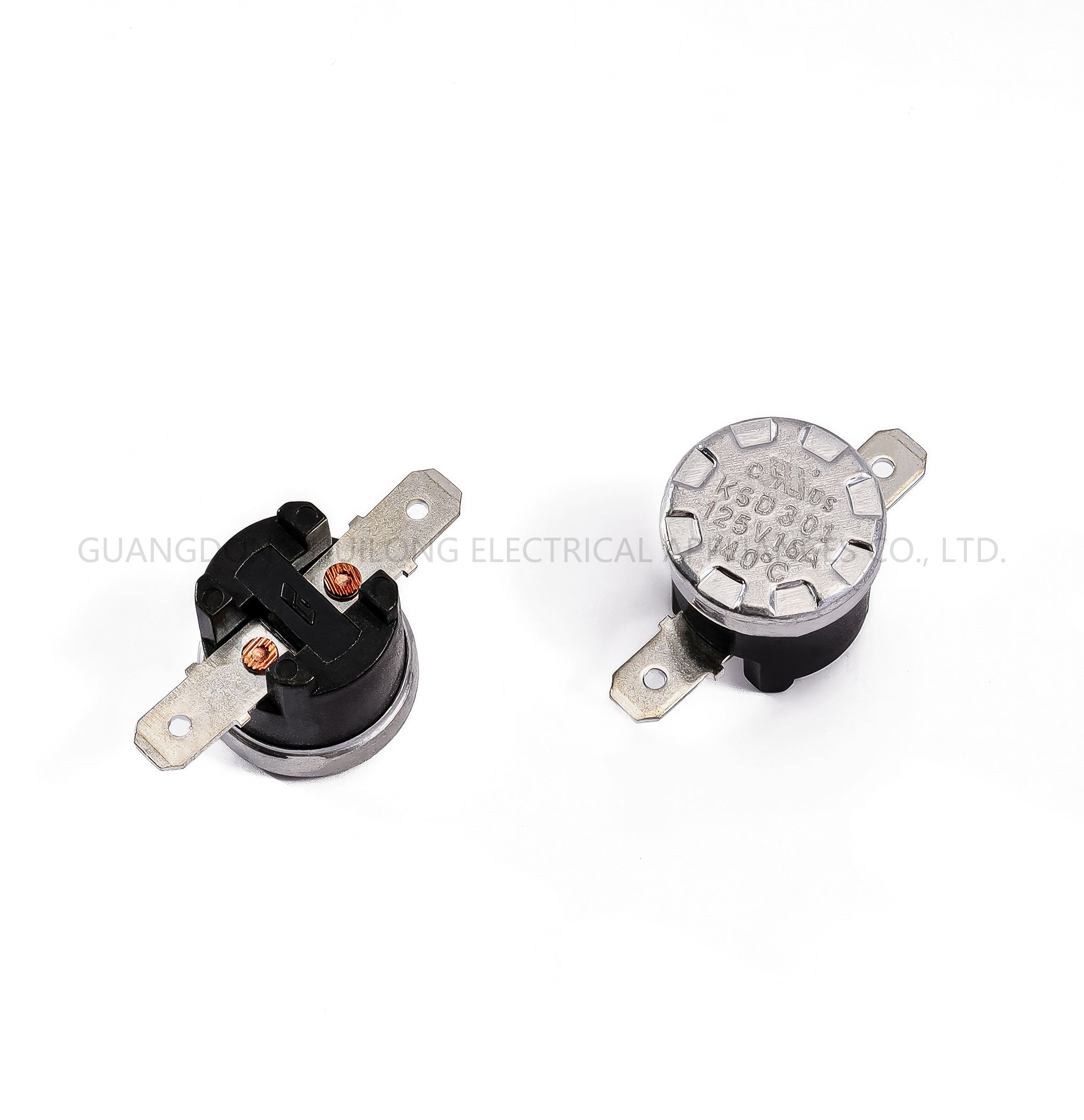
Maximize Energy Efficiency in Your Building with Transformer Temperature Controllers
Maximize Energy Efficiency in Your Building with Transformer Temperature Controllers In today’s world, maximizing energy efficiency in buildings is more crucial than ever. **Transformer temperature controllers** play a pivotal role in achieving this goal. These devices not only enhance the comfort of building occupants but also significantly reduce energy consumption. This comprehensive guide wi
2026/01/30

Heating mantle temperature controllers are critical devices used in various laboratory and industrial applications, particularly where precise heating is essential. These controllers are designed to regulate the temperature of heating mantles, which are often used to heat flasks or beakers uniformly. Understanding how these systems work is essential for professionals in the building and decorative
2026/01/21

Huilonghas passedls09001 certification in2003.0ur products are compliant with EU RoHS Directiveand certified by COC, VDE, UL, TUV, CE,CB.
Contact Us
+86-757-28397819
C1 Building, CSCEC'S S&TInnovation Park, No.81,Xijiao Road, Ronggui, Shunde, Foshan, Guangdong Province

Mobile Website