

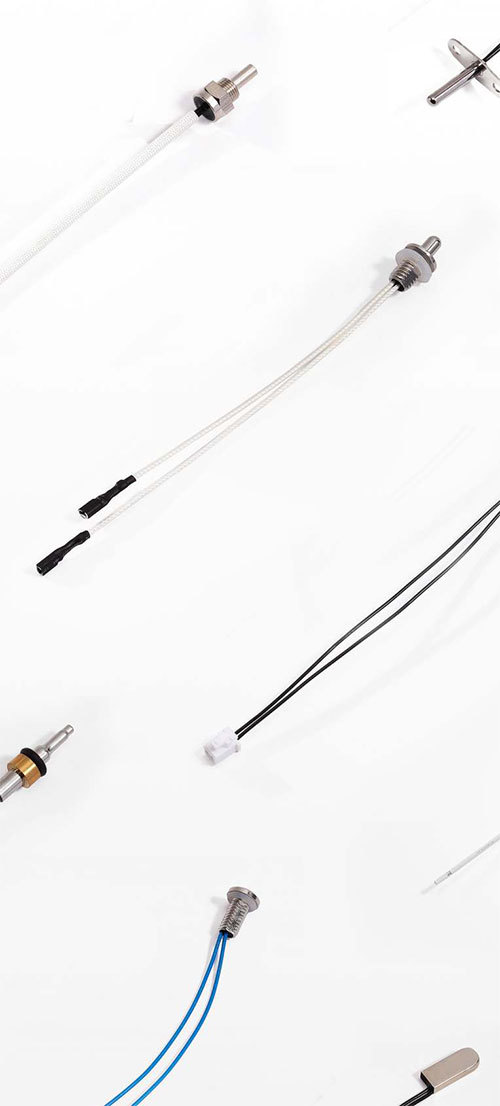
The Ultimate Guide to Enhancing Your Boiler Temperature Control System
Classification: knowledge
Time:2025-12-31
The Ultimate Guide to Enhancing Your Boiler Temperature Control System
Table of Contents
- 1. Introduction to Boiler Temperature Control Systems
- 2. Understanding Boiler Control Systems
- 3. The Importance of Effective Temperature Control
- 4. Types of Boiler Temperature Control Systems
- 5. Advanced Technologies for Enhancing Boiler Control
- 6. Energy Savings through Effective Temperature Management
- 7. Maintenance Tips for Optimal Boiler Performance
- 8. Common Issues and How to Fix Them
- 9. Conclusion
- 10. Frequently Asked Questions
1. Introduction to Boiler Temperature Control Systems
Efficient heating systems are vital for maintaining comfort in residential and commercial buildings. A well-functioning boiler temperature control system ensures that the heating process is both effective and energy-efficient. This guide explores various aspects of boiler temperature control, including advanced technologies, maintenance practices, and troubleshooting tips.
2. Understanding Boiler Control Systems
Boiler control systems regulate the temperature of water or steam in a boiler. These systems utilize sensors and actuators to monitor and adjust the temperature, ensuring optimal performance. Understanding the components and functioning of these systems is essential for enhancing their efficiency.
2.1 Components of a Boiler Control System
A typical boiler control system consists of several key components:
- **Thermostats**: Measure the temperature and send signals to the control panel.
- **Controllers**: Process input from sensors and make decisions on temperature adjustments.
- **Valves**: Regulate the flow of water or steam, responding to commands from the controller.
- **Sensors**: Monitor temperature, pressure, and other vital parameters.
2.2 How Boiler Control Systems Work
When the temperature drops below a setpoint, the thermostat activates the boiler, triggering the controller to ignite the burner. As the water heats up, the sensors provide real-time data to the control system, enabling precise adjustments to maintain the desired temperature.
3. The Importance of Effective Temperature Control
Effective temperature control is critical for several reasons:
- **Energy Efficiency**: Proper control reduces energy consumption, leading to significant cost savings.
- **Comfort**: Maintaining a consistent temperature improves comfort levels in living and working spaces.
- **Equipment Longevity**: Efficient temperature management minimizes wear and tear on boiler components, extending their lifespan.
4. Types of Boiler Temperature Control Systems
There are various types of boiler control systems, each suited to different applications and requirements.
4.1 On/Off Control Systems
On/Off control systems are the simplest form, where the boiler operates at full capacity until the desired temperature is reached, then shuts off. While easy to install, they can lead to temperature fluctuations and are less energy-efficient.
4.2 Modulating Control Systems
Modulating control systems continuously adjust the boiler's output to match the heating demand. This results in more consistent temperature control and improved efficiency.
4.3 Advanced Control Systems
Advanced control systems incorporate sophisticated algorithms and can utilize weather forecasts and building management systems to optimize performance. These systems provide the highest level of efficiency and comfort.
5. Advanced Technologies for Enhancing Boiler Control
Technological advancements have significantly improved boiler temperature control systems.
5.1 Smart Thermostats
Smart thermostats allow for remote access and control through mobile devices. They learn user preferences and adjust settings automatically, maximizing energy savings.
5.2 Building Management Systems (BMS)
A BMS integrates various building systems, enabling centralized control of heating, ventilation, and air conditioning (HVAC) systems, including boilers. This holistic approach enhances energy efficiency and comfort.
5.3 Internet of Things (IoT) Integration
IoT-enabled devices provide real-time data and analytics, allowing for proactive maintenance and optimization of boiler systems. This technology can predict failures before they occur, reducing downtime.
6. Energy Savings through Effective Temperature Management
Implementing effective temperature management strategies can lead to substantial energy savings.
6.1 Insulation and Heat Loss Prevention
Proper insulation reduces heat loss, allowing the boiler to operate more efficiently. Invest in high-quality insulation materials to enhance your system's performance.
6.2 Regular Maintenance Practices
Regular maintenance, including cleaning and inspection, ensures that the boiler operates efficiently. Schedule routine check-ups with qualified technicians to identify and address potential issues.
7. Maintenance Tips for Optimal Boiler Performance
To maintain optimal performance of your boiler temperature control system, consider the following tips:
7.1 Regular Inspections
Conduct regular inspections to check for any signs of wear or damage. Early detection of issues can prevent costly repairs.
7.2 Cleaning Components
Keep the boiler and its components clean. Dust and debris can hinder performance and lead to inefficiencies.
7.3 Checking for Leaks
Regularly inspect for leaks in pipes and connections. Leaks can significantly impact the efficiency of the system.
8. Common Issues and How to Fix Them
Understanding common issues with boiler temperature control systems can help in troubleshooting.
8.1 Inconsistent Temperature
If you experience inconsistent temperatures, check the thermostat settings, or consider recalibrating or replacing the thermostat.
8.2 Boiler Not Igniting
If the boiler fails to ignite, check for gas supply issues or malfunctioning ignition components. A technician should address complex problems.
8.3 Unusual Noises
Unusual noises can indicate air in the system or issues with the pump. Bleeding the radiators or consulting a professional may be necessary.
9. Conclusion
Enhancing your boiler temperature control system is essential for achieving optimal performance, energy efficiency, and comfort. By understanding the various components, types of systems, and maintenance practices, you can ensure your boiler operates effectively. Investing in advanced technologies further improves efficiency and longevity. With the right knowledge and tools, you can transform your boiler system into a highly efficient heating solution.
10. Frequently Asked Questions
10.1 What is the purpose of a boiler temperature control system?
A boiler temperature control system regulates the temperature of water or steam in the boiler to ensure efficient heating and comfort.
10.2 How can I improve the efficiency of my boiler?
Improving efficiency can be achieved through regular maintenance, upgrading to advanced control systems, and proper insulation.
10.3 What types of boilers are there?
There are several types of boilers, including conventional, combi, and system boilers, each with distinct features and benefits.
10.4 How often should I service my boiler?
It is recommended to service your boiler at least once a year to ensure optimal performance and safety.
10.5 Can I install a smart thermostat for my boiler?
Yes, most modern boilers are compatible with smart thermostats, allowing for enhanced control and energy management.
Keyword: The Ultimate Guide to Enhancing Your Boiler Temperature Control System
RELATED INFORMATION
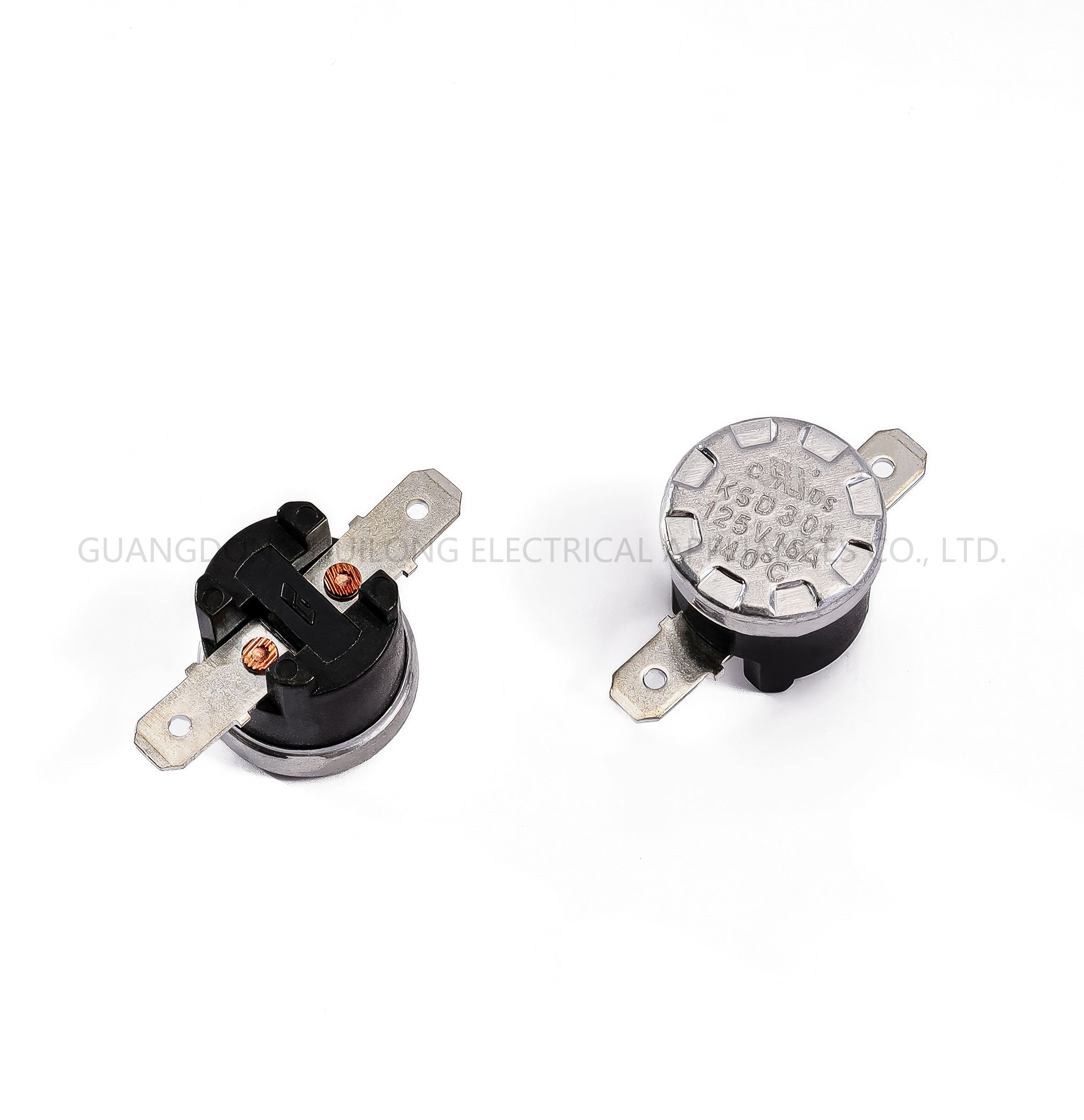
Maximize Energy Efficiency in Your Building with Transformer Temperature Controllers
Maximize Energy Efficiency in Your Building with Transformer Temperature Controllers In today’s world, maximizing energy efficiency in buildings is more crucial than ever. **Transformer temperature controllers** play a pivotal role in achieving this goal. These devices not only enhance the comfort of building occupants but also significantly reduce energy consumption. This comprehensive guide wi
2026/01/30

Heating mantle temperature controllers are critical devices used in various laboratory and industrial applications, particularly where precise heating is essential. These controllers are designed to regulate the temperature of heating mantles, which are often used to heat flasks or beakers uniformly. Understanding how these systems work is essential for professionals in the building and decorative
2026/01/21

Huilonghas passedls09001 certification in2003.0ur products are compliant with EU RoHS Directiveand certified by COC, VDE, UL, TUV, CE,CB.
Contact Us
+86-757-28397819
C1 Building, CSCEC'S S&TInnovation Park, No.81,Xijiao Road, Ronggui, Shunde, Foshan, Guangdong Province

Mobile Website