

Understanding Heating Mantle Temperature Controllers: Essential Insights for Your Projects
Classification: knowledge
Time:2026-01-07
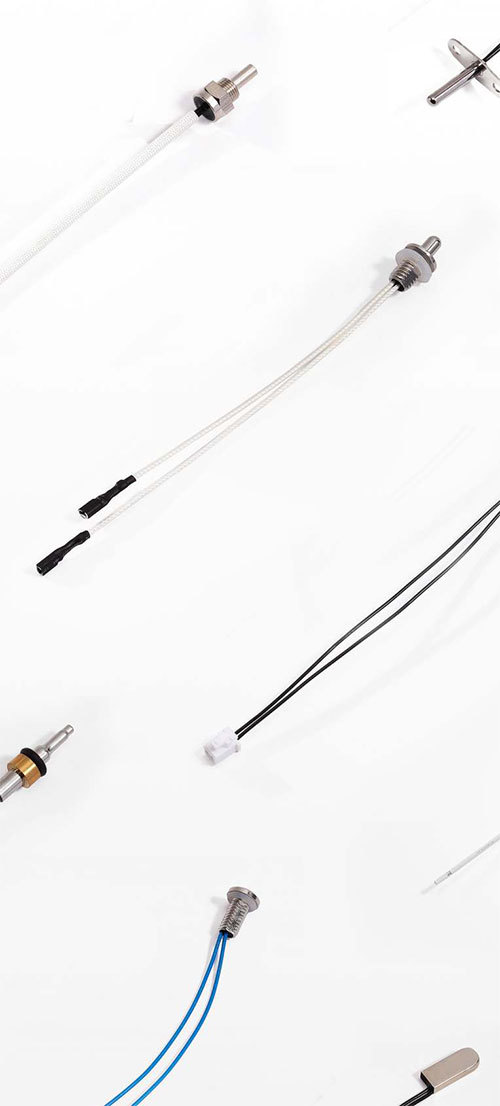
A heating mantle itself is a type of heating device used to provide uniform heating. It usually consists of a flexible or rigid casing that surrounds a heating element, allowing it to distribute heat evenly around its contents, such as flasks or beakers. The temperature controller can be integrated into the heating mantle or function as a standalone unit. Its primary purpose is to maintain the desired temperature within the heating mantle, ensuring that materials are heated efficiently and safely.
One of the main advantages of using a heating mantle temperature controller is the ability to achieve consistent results. Temperature fluctuations can lead to undesirable consequences in chemical reactions or material properties. By employing a temperature controller, users can set specific temperature points, and the device will automatically adjust the heating output to maintain these levels. This is particularly beneficial in processes where temperature stability is crucial.
In addition to providing precision, modern heating mantle temperature controllers often come equipped with features such as digital displays, programmable settings, and alarms that alert users to deviations from the set temperature. These advancements enhance usability and safety, making it easier to monitor the heating process and prevent overheating or underheating of materials.
When selecting a heating mantle temperature controller, consider the specifications relevant to your project. Factors such as the maximum temperature range, control accuracy, and compatibility with your heating mantle should be taken into account. Understanding the intended application—whether it's for routine laboratory work or more specialized industrial processes—will also help guide your choice.
Proper usage of heating mantle temperature controllers involves regular calibration and maintenance. Ensuring that the device is functioning correctly will not only enhance safety but also prolong its lifespan. Users should familiarize themselves with the operating manual to fully leverage the controller's features, including any advanced programming options available.
In conclusion, heating mantle temperature controllers are invaluable tools in many scientific and industrial settings. By ensuring precise temperature management, they contribute to the efficiency and safety of processes, making them a key component in the realm of construction and decoration materials. Understanding their functionality and maintenance can significantly impact the success of your projects, providing a more reliable and effective approach to temperature control.
Keyword: Understanding Heating Mantle Temperature Controllers: Essential Insights for Your Projects
RELATED INFORMATION
Maximize Energy Efficiency in Your Building with Transformer Temperature Controllers
Maximize Energy Efficiency in Your Building with Transformer Temperature Controllers In today’s world, maximizing energy efficiency in buildings is more crucial than ever. **Transformer temperature controllers** play a pivotal role in achieving this goal. These devices not only enhance the comfort of building occupants but also significantly reduce energy consumption. This comprehensive guide wi
2026/01/30

Heating mantle temperature controllers are critical devices used in various laboratory and industrial applications, particularly where precise heating is essential. These controllers are designed to regulate the temperature of heating mantles, which are often used to heat flasks or beakers uniformly. Understanding how these systems work is essential for professionals in the building and decorative
2026/01/21

Huilonghas passedls09001 certification in2003.0ur products are compliant with EU RoHS Directiveand certified by COC, VDE, UL, TUV, CE,CB.
Contact Us
+86-757-28397819
C1 Building, CSCEC'S S&TInnovation Park, No.81,Xijiao Road, Ronggui, Shunde, Foshan, Guangdong Province

Mobile Website