

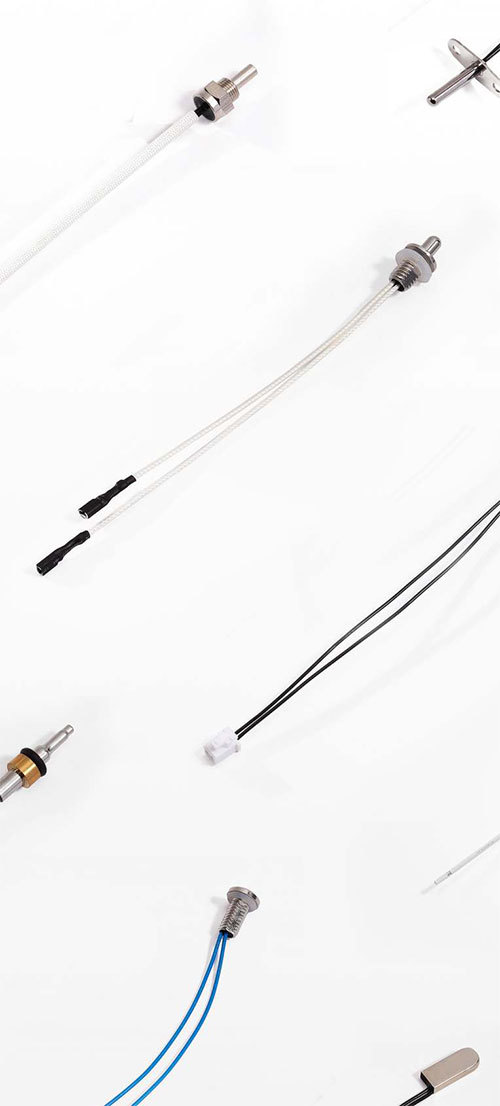
Understanding Non-Adjustable Thermostats: Essential Insights for Laboratory Applications
Classification: knowledge
Time:2026-02-20
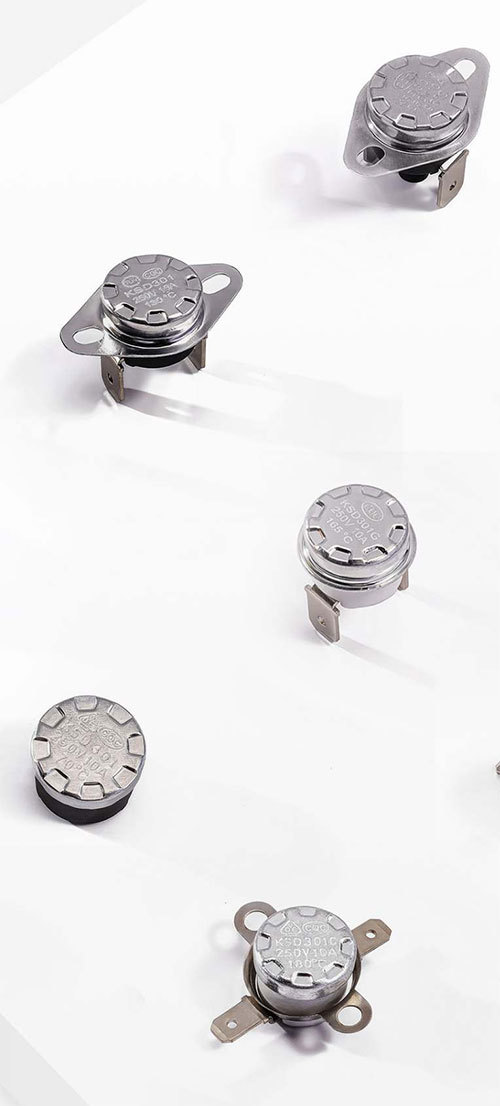
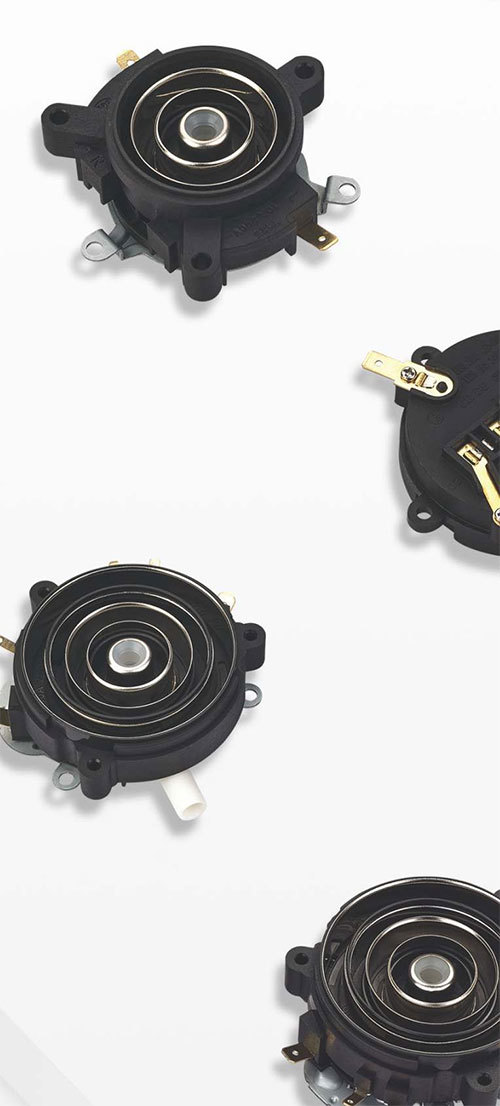
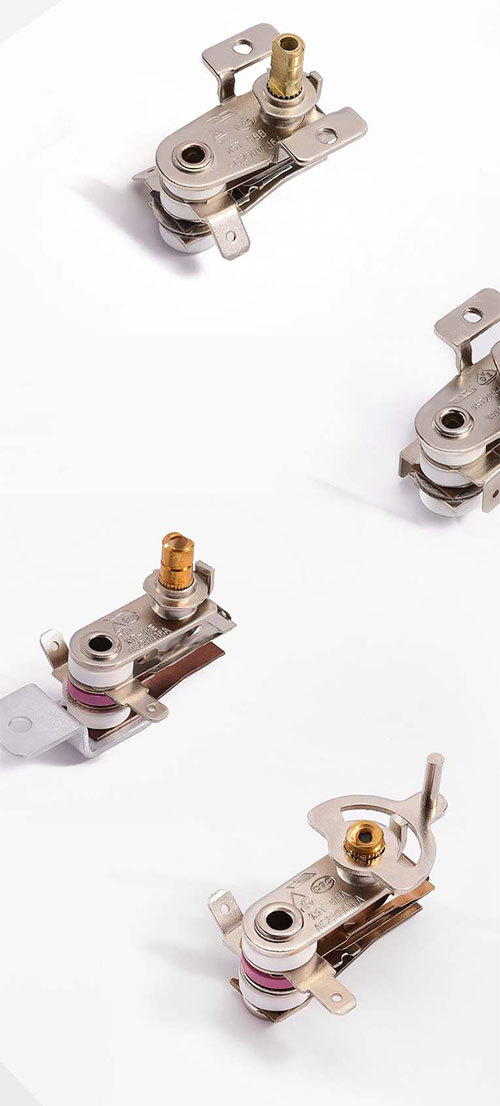
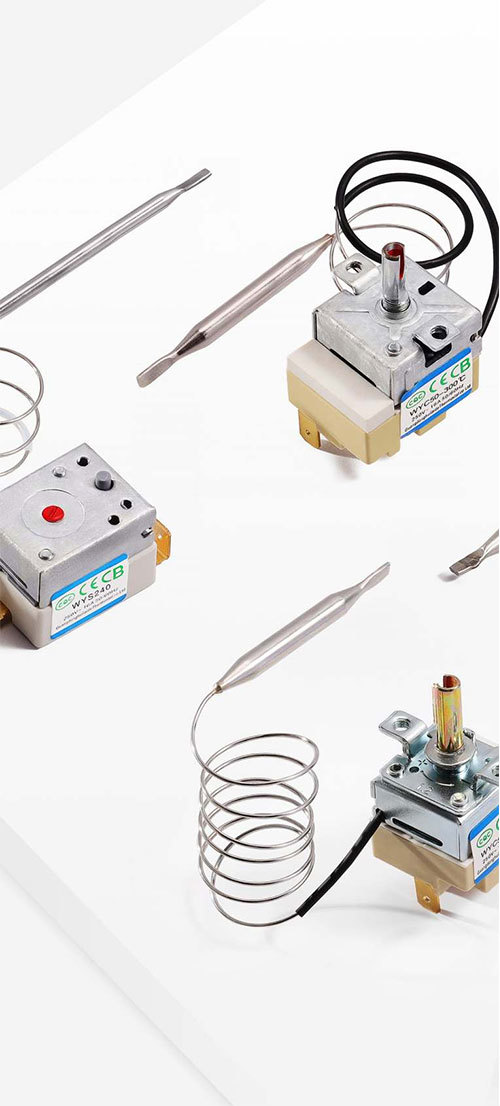
One significant advantage of non-adjustable thermostats is their reliability. Since these devices operate within a fixed temperature range, they can minimize the risk of human error associated with manual adjustments. This reliability is critical in experiments where even slight temperature fluctuations can lead to inaccurate results or compromised chemical reactions. As a result, laboratories often employ non-adjustable thermostats for processes requiring stringent temperature control, such as incubations, chemical storage, or certain types of synthesis.
Another benefit of non-adjustable thermostats is their simplicity. With fewer components and mechanisms involved in their operation, these thermostats typically require less maintenance compared to their adjustable counterparts. This reduced complexity can lead to longer operational lifespans and lower chances of malfunction, further enhancing their appeal for laboratory use.
In addition to reliability and simplicity, non-adjustable thermostats can also contribute to cost-effectiveness in laboratory settings. By eliminating the need for manual temperature adjustments and reducing maintenance requirements, they can lower operational costs over time. This aspect is particularly advantageous for laboratories with tight budgets or those looking to optimize their resources while maintaining precise temperature control.
When selecting a non-adjustable thermostat for laboratory use, it is essential to consider the specific temperature setting that aligns with the intended application. Different processes may require different fixed temperatures, and understanding the thermal characteristics of the chemicals involved is vital in this selection process. Additionally, proper installation and calibration can ensure optimal performance and extend the lifespan of the thermostat.
In conclusion, non-adjustable thermostats serve as a vital tool in laboratory environments where consistent and reliable temperature control is paramount. Their simplicity, reliability, and cost-effectiveness make them an excellent choice for various applications, from chemical storage to precise experimental protocols. For professionals in the chemical industry, understanding the functionality and advantages of non-adjustable thermostats can enhance experimental outcomes and streamline laboratory operations.
Keyword: Understanding Non-Adjustable Thermostats: Essential Insights for Laboratory Applications
RELATED INFORMATION

Understanding Non-Adjustable Thermostats: Essential Insights for Laboratory Applications
Non-adjustable thermostats are specialized devices designed to maintain a fixed temperature without the ability to modify that temperature setting. This characteristic makes them uniquely suited for applications where consistent temperature control is essential, particularly in laboratory environments. Unlike adjustable thermostats, which allow users to set varying temperatures based on specific e
2026/02/20
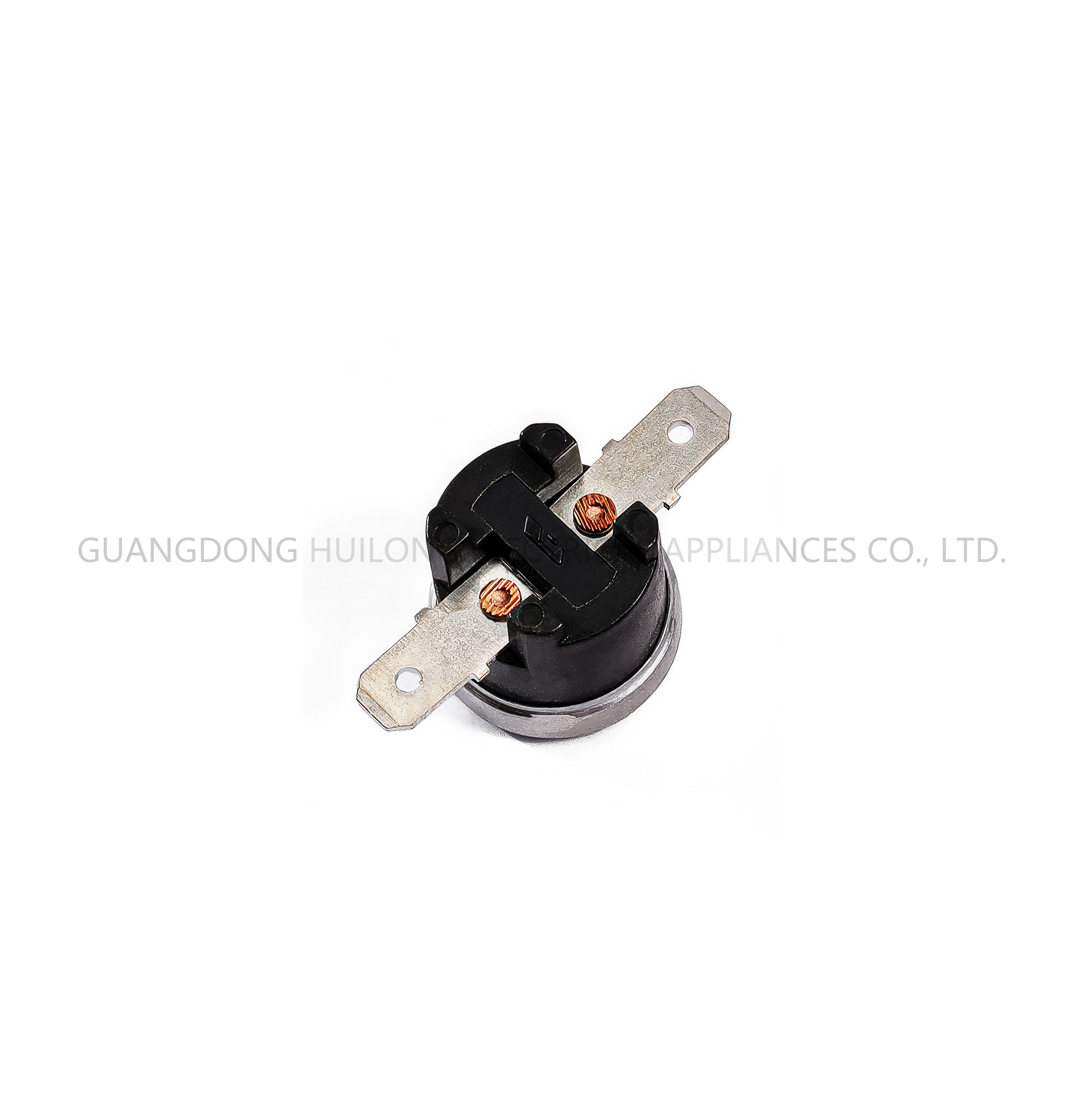
The Role of Transformer Temperature Controllers in Modern HVAC Systems
The Role of Transformer Temperature Controllers in Modern HVAC Systems Introduction to Transformer Temperature Controllers In today's world, the quest for energy efficiency and optimal performance in HVAC systems is more important than ever. As we strive for greater comfort in our indoor environments, **transformer temperature controllers** have emerged as pivotal components in modern heating, v
2026/02/13

Huilonghas passedls09001 certification in2003.0ur products are compliant with EU RoHS Directiveand certified by COC, VDE, UL, TUV, CE,CB.
Contact Us
+86-757-28397819
C1 Building, CSCEC'S S&TInnovation Park, No.81,Xijiao Road, Ronggui, Shunde, Foshan, Guangdong Province

Mobile Website