

How 12 Volt Adjustable Thermostats Can Enhance Your Research Outcomes
Classification: knowledge
Time:2026-03-27
How 12 Volt Adjustable Thermostats Can Enhance Your Research Outcomes
Introduction to 12 Volt Adjustable Thermostats
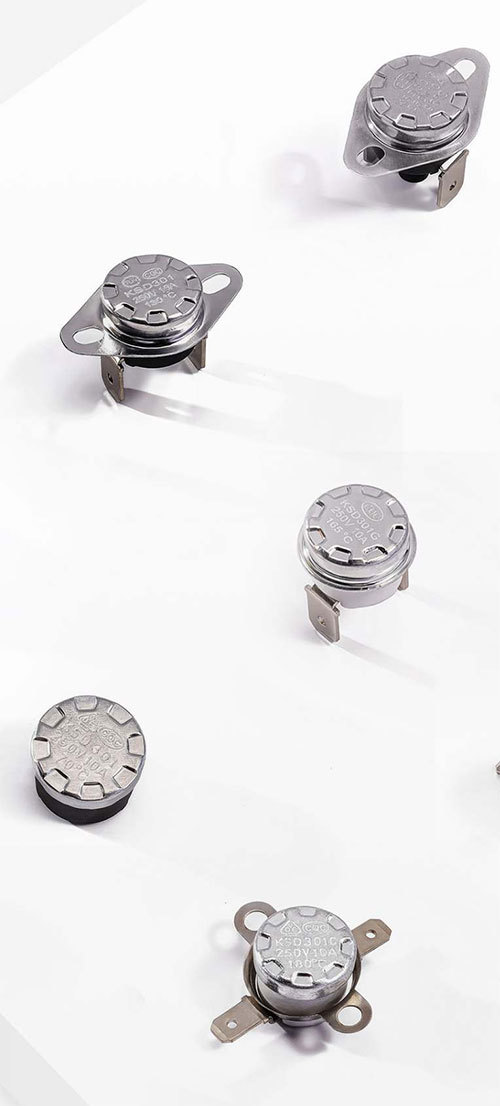
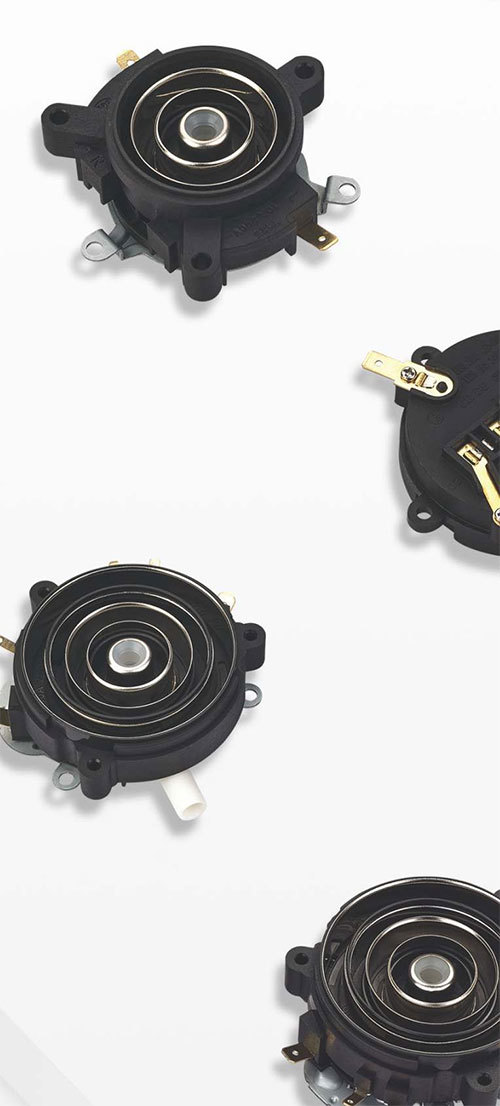
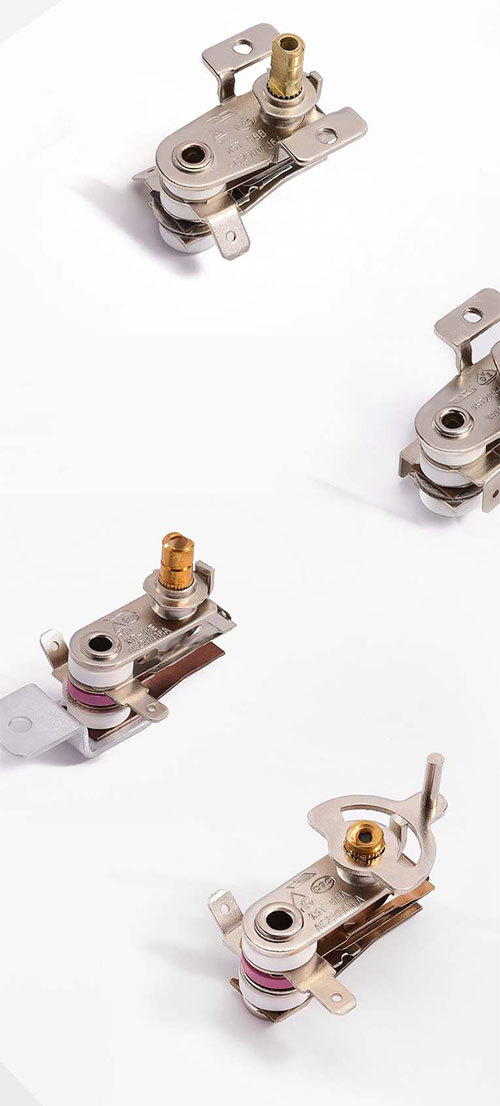
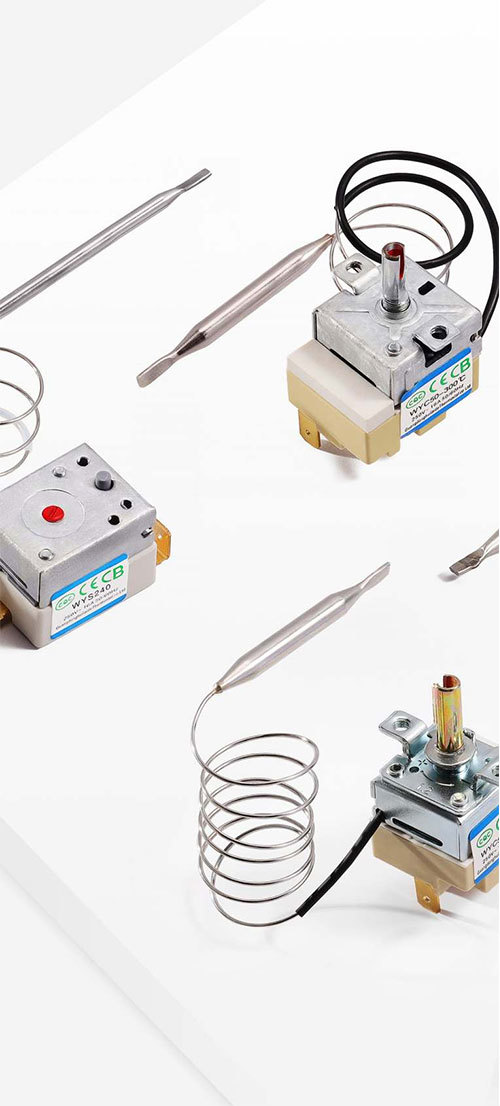
In the realm of scientific research, maintaining optimal temperature conditions is crucial for achieving reliable outcomes. **12 Volt adjustable thermostats** play an essential role in ensuring that experiments are conducted under controlled thermal environments. These devices are not only user-friendly but also provide researchers with the flexibility to modify temperature settings according to specific experimental needs. In this article, we will explore how these thermostats can enhance research outcomes across various scientific fields.
Understanding the Importance of Temperature Control in Research
Temperature fluctuations can lead to inconsistent results, affecting the reliability and validity of experimental data. In laboratories, it is imperative to maintain a stable environment where experimental variables are controlled. The following sections will elaborate on the key functions and benefits of using adjustable thermostats.
1. The Role of Temperature in Experimental Success
Temperature is a critical factor that influences chemical reactions, biological processes, and material properties. For instance, enzyme activity in biochemical experiments is highly temperature-dependent. By utilizing **12 Volt adjustable thermostats**, researchers can fine-tune the thermal conditions to optimize reactions, ensuring consistently reproducible results.
2. Enhancing Precision and Accuracy in Experiments
Precision and accuracy are foundational to scientific research. Adjustable thermostats allow for minute adjustments in temperature settings, facilitating precise control over experimental conditions. This level of control is particularly valuable in sensitive experiments, where even slight variations in temperature can lead to significant changes in outcomes.
Key Features of 12 Volt Adjustable Thermostats
Understanding the features of 12 Volt adjustable thermostats can help researchers select the right model for their needs. Here are some noteworthy characteristics:
1. User-Friendly Interfaces
Modern adjustable thermostats come equipped with intuitive interfaces that simplify the temperature setting process. Digital displays and easy-to-navigate menus allow researchers to adjust and monitor temperatures effortlessly.
2. Wide Range of Temperature Settings
Most 12 Volt adjustable thermostats offer a broad temperature range, making them suitable for various applications. Whether conducting high-temperature reactions or maintaining low storage temperatures, these thermostats can accommodate diverse needs.
3. Energy Efficiency
In an era where sustainability is paramount, energy-efficient thermostats reduce power consumption without compromising performance. This is particularly beneficial for laboratories aiming to lower their operational costs while minimizing their environmental impact.
4. Compatibility with Various Laboratory Equipment
These thermostats are designed to integrate seamlessly with a wide range of laboratory equipment, including incubators, water baths, and chemical reactors. This versatility enhances their utility across different research settings.
Applications of 12 Volt Adjustable Thermostats in Various Research Fields
The versatility of 12 Volt adjustable thermostats enables their application across multiple research disciplines.
1. Chemical Research
In chemical laboratories, temperature plays a pivotal role in reaction kinetics. By utilizing adjustable thermostats, chemists can set optimal temperatures to accelerate reactions, leading to improved yields and more efficient processes.
2. Biological Research
Biological samples often require specific temperature conditions to maintain viability. For instance, cell cultures and enzyme assays benefit from precise temperature control provided by adjustable thermostats, thereby enhancing experimental reliability.
3. Materials Science
In materials science, the thermal properties of materials can be critically assessed using controlled temperature environments. Adjustable thermostats facilitate experiments that require heating or cooling samples, helping researchers understand material behavior more thoroughly.
Benefits of Using 12 Volt Adjustable Thermostats
The benefits of incorporating **12 Volt adjustable thermostats** into research protocols are manifold.
1. Improved Reproducibility of Results
By maintaining consistent temperature conditions throughout experiments, researchers can enhance the reproducibility of their results. This is essential for validating findings and ensuring that experiments can be reliably replicated.
2. Enhanced Productivity and Efficiency
With the ability to quickly adjust temperature settings, researchers can save time and reduce the number of failed experiments. This efficiency allows for streamlined workflows and increased productivity within the lab.
3. Cost-Effectiveness
Investing in high-quality adjustable thermostats can lead to long-term savings. By minimizing energy consumption and reducing experimental failures, laboratories can achieve better financial outcomes over time.
How to Choose the Right 12 Volt Adjustable Thermostat for Your Research Needs
Selecting the appropriate thermostat is crucial for maximizing research outcomes. Here are some factors to consider:
1. Temperature Range
Consider the temperature range required for your specific applications. Ensure that the thermostat can accommodate both high and low temperature needs.
2. Precision Control
Look for thermostats that offer fine-tuning capabilities for precise temperature adjustments. This is especially important for sensitive experiments.
3. Display and User Interface
A clear digital display and an intuitive user interface can significantly enhance usability. Easy navigation through settings reduces the learning curve and allows for quick adjustments.
4. Build Quality and Reliability
Choose thermostats from reputable manufacturers known for quality and reliability. Research reviews and ratings from other users to ensure you are investing in a durable product.
Best Practices for Using 12 Volt Adjustable Thermostats in the Laboratory
Maximizing the effectiveness of adjustable thermostats requires adherence to best practices.
1. Regular Calibration
Regular calibration of thermostats ensures that they maintain accuracy over time. Schedule routine checks and calibrations to ensure reliable temperature control.
2. Proper Placement
Position thermostats in locations that minimize temperature fluctuations caused by external factors, such as drafts or direct sunlight. This placement ensures more accurate readings and better temperature stability.
3. Maintenance and Care
Keep thermostats clean and free from dust and contaminants. Regular maintenance prolongs the life of the device and maintains its performance.
Frequently Asked Questions (FAQs)
1. What is a 12 Volt adjustable thermostat?
A 12 Volt adjustable thermostat is a temperature control device that allows users to set and maintain specific temperatures in various laboratory applications. Its adjustable settings enable precise control over temperature conditions.
2. Why is temperature control important in laboratory research?
Temperature control is vital in laboratory research as it influences reaction rates, biological processes, and material properties. Maintaining stable temperatures ensures the reliability and reproducibility of experimental outcomes.
3. Can 12 Volt adjustable thermostats be used in all types of research?
Yes, 12 Volt adjustable thermostats can be utilized across various research fields, including chemical, biological, and materials science. Their versatility makes them suitable for a wide range of applications.
4. How do I choose the right thermostat for my laboratory?
When choosing a thermostat, consider factors such as temperature range, precision control, user interface, and build quality. Ensure that the selected device meets the specific needs of your research.
5. What maintenance is required for adjustable thermostats?
Regular maintenance includes cleaning, calibration, and ensuring proper placement to minimize temperature fluctuations. Following these practices will help maintain the thermostat’s accuracy and longevity.
Conclusion
In conclusion, **12 Volt adjustable thermostats** are invaluable tools in laboratory research, offering precise temperature control that enhances experimental outcomes. By understanding their features, applications, and benefits, researchers can leverage these devices to improve the quality of their work. Implementing best practices and selecting the right thermostat will further enhance research productivity and reliability. As laboratories continue to evolve, embracing advanced temperature control technologies will undoubtedly lead to more successful and innovative research outcomes.
Keyword: How 12 Volt Adjustable Thermostats Can Enhance Your Research Outcomes
RELATED INFORMATION

Unlocking Efficiency: The Role of Adjustable Thermostat Heaters in Laboratories
Unlocking Efficiency: The Role of Adjustable Thermostat Heaters in Laboratories Table of Contents 1. Introduction to Adjustable Thermostat Heaters 2. Importance of Temperature Control in Laboratories 3. How Adjustable Thermostat Heaters Work 4. Benefits of Using Adjustable Thermostat Heaters in Laboratories 5. Key Features to Look for in Adjustable Thermostat Hea
2026/05/08

Why Every Lab Needs an Adjustable Thermostat Heater for Precision
Why Every Lab Needs an Adjustable Thermostat Heater for Precision Introduction: The Importance of Temperature Control in Laboratories In the world of scientific research and experimentation, maintaining precise temperature conditions is essential. Variations in temperature can lead to inconsistent results, affecting the reliability of experiments and potentially skewing data. This is where adjus
2026/04/24

Huilonghas passedls09001 certification in2003.0ur products are compliant with EU RoHS Directiveand certified by COC, VDE, UL, TUV, CE,CB.
Contact Us
+86-757-28397819
C1 Building, CSCEC'S S&TInnovation Park, No.81,Xijiao Road, Ronggui, Shunde, Foshan, Guangdong Province

Mobile Website