

Unlocking Efficiency: The Role of Adjustable Thermostat Heaters in Laboratories
Classification: knowledge
Time:2026-05-08
Unlocking Efficiency: The Role of Adjustable Thermostat Heaters in Laboratories
Table of Contents
- 1. Introduction to Adjustable Thermostat Heaters
- 2. Importance of Temperature Control in Laboratories
- 3. How Adjustable Thermostat Heaters Work
- 4. Benefits of Using Adjustable Thermostat Heaters in Laboratories
- 5. Key Features to Look for in Adjustable Thermostat Heaters
- 6. Applications of Adjustable Thermostat Heaters in Different Laboratory Settings
- 7. How to Maintain Adjustable Thermostat Heaters for Optimal Performance
- 8. Frequently Asked Questions (FAQs)
- 9. Conclusion
1. Introduction to Adjustable Thermostat Heaters
Adjustable thermostat heaters play a pivotal role in modern laboratories, offering precise temperature control essential for a variety of scientific experiments. These devices enable researchers to create stable and controlled environments that are crucial for achieving reliable results. By adjusting the heat output according to the specific requirements of their experiments, lab professionals can enhance productivity and reduce the risk of errors.
2. Importance of Temperature Control in Laboratories
Temperature control in laboratories is vital for several reasons:
2.1 Enhancing Experimental Accuracy
Many chemical reactions and biological processes are sensitive to temperature fluctuations. Maintaining a consistent temperature ensures that experiments yield accurate and reproducible results, which are essential for scientific validation.
2.2 Protecting Sensitive Samples
Some samples, especially biological or chemical ones, can degrade or react adversely if not kept at the correct temperature. Adjustable thermostat heaters help safeguard these samples by providing a stable environment.
2.3 Energy Efficiency
Laboratories often consume substantial amounts of energy. Adjustable thermostat heaters can optimize energy usage by adjusting the temperature based on real-time requirements, thus reducing operational costs.
3. How Adjustable Thermostat Heaters Work
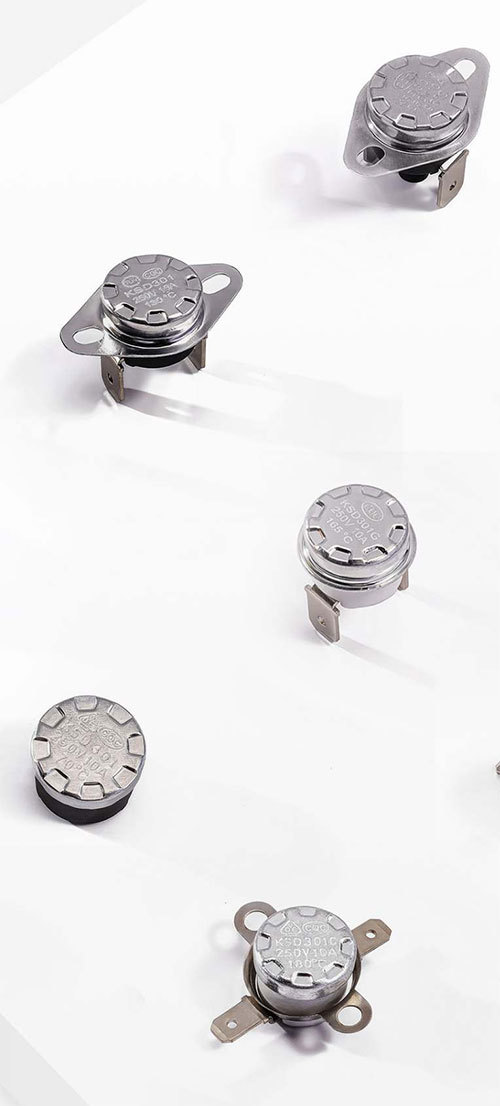
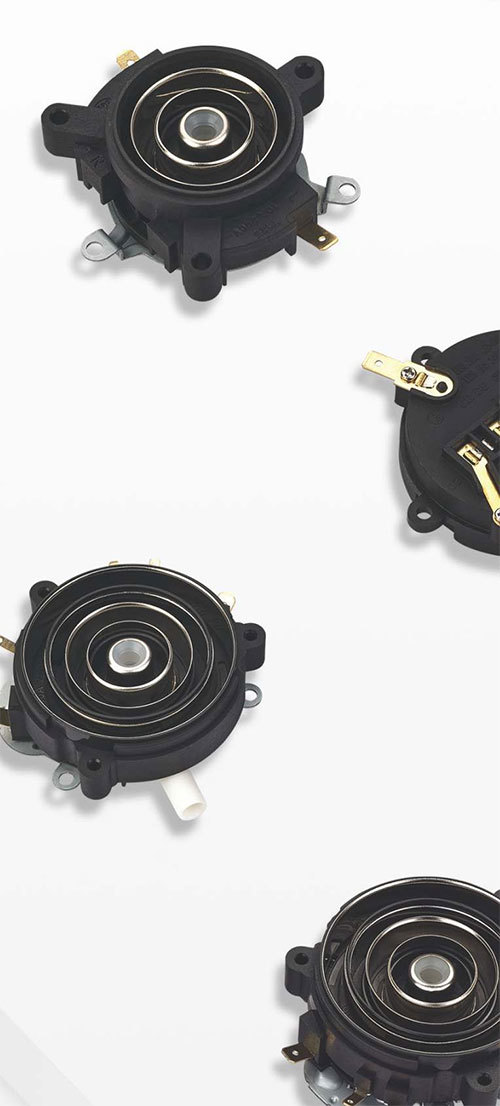
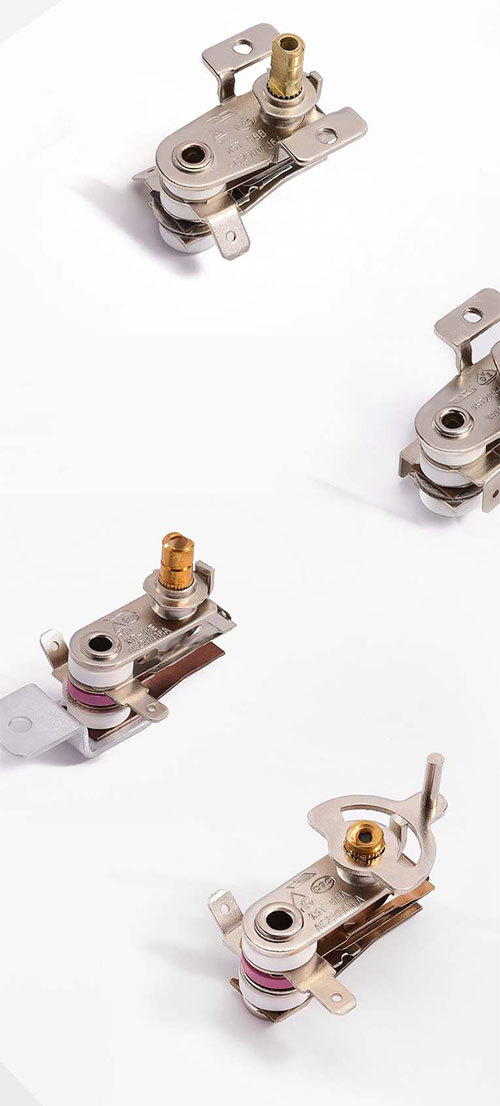
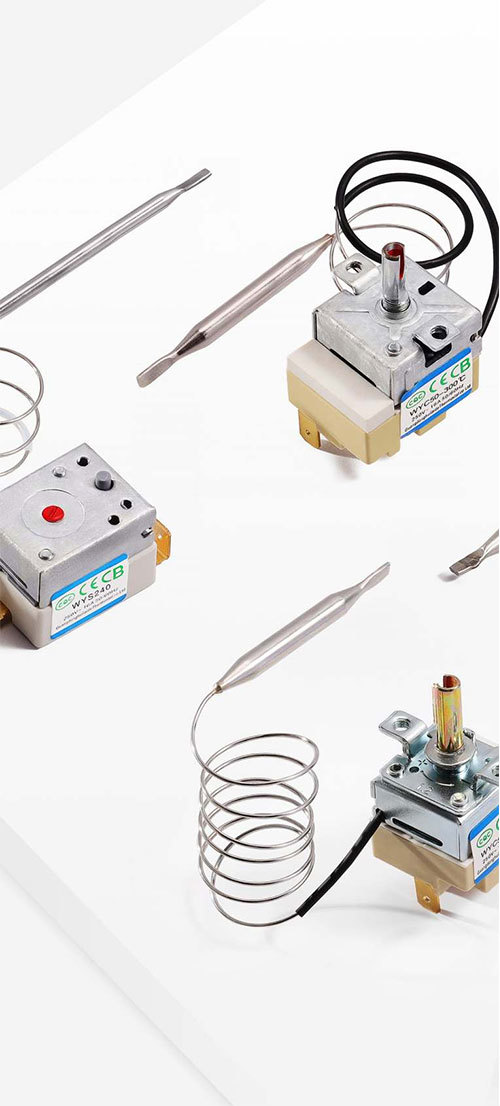
Adjustable thermostat heaters function through a straightforward yet effective mechanism. They utilize a thermostat that monitors the ambient temperature and adjusts the heater's output accordingly.
3.1 The Thermostat Mechanism
The thermostat contains a temperature sensor that detects changes in the laboratory environment. When the temperature falls below a predetermined level, the heater activates. Conversely, it shuts off when the desired temperature is reached, allowing for precise control.
3.2 Types of Adjustable Thermostat Heaters
There are several types of adjustable thermostat heaters, including:
- **Convection Heaters:** These heaters warm the air that circulates around them, providing even heat distribution.
- **Radiant Heaters:** These heaters emit infrared radiation, directly warming objects and surfaces.
- **Oil-Filled Heaters:** These heaters use oil as a heat reservoir, providing long-lasting heat even after they are turned off.
4. Benefits of Using Adjustable Thermostat Heaters in Laboratories
Utilizing adjustable thermostat heaters in laboratory settings comes with various advantages:
4.1 Precision Temperature Management
The ability to set and maintain specific temperatures leads to improved experimental outcomes.
4.2 Flexibility
Researchers can easily adjust temperatures as per experiment requirements, enhancing overall efficiency.
4.3 Safety Features
Most adjustable thermostat heaters are equipped with safety features like overheat protection and automatic shut-off, ensuring laboratory safety.
4.4 Cost-Effective Operation
By optimizing energy consumption, these heaters help reduce overall energy expenses, making laboratory operations more cost-effective.
5. Key Features to Look for in Adjustable Thermostat Heaters
When selecting an adjustable thermostat heater for a laboratory, consider the following features:
5.1 Temperature Range
Choose heaters that offer a wide temperature range suitable for your experiments.
5.2 Control Options
Look for heaters with intuitive control panels, including digital displays and programmable settings for ease of use.
5.4 Portability
If your laboratory requires flexibility, opt for portable models that can be easily moved around.
5.4 Energy Efficiency Ratings
Select heaters with high energy efficiency ratings to ensure cost-effective operation.
6. Applications of Adjustable Thermostat Heaters in Different Laboratory Settings
Adjustable thermostat heaters find applications across diverse laboratory environments:
6.1 Chemical Laboratories
In chemical labs, precise temperature control is critical for reactions that may be highly sensitive to thermal fluctuations.
6.2 Biological Research Facilities
Biological experiments often require specific temperature ranges to maintain the viability of samples.
6.3 Educational Laboratories
In educational labs, adjustable thermostat heaters provide a hands-on experience for students learning about thermodynamics and chemical reactions.
6.4 Industrial Research and Development Labs
These heaters facilitate product development by providing stable environmental conditions for testing new materials.
7. How to Maintain Adjustable Thermostat Heaters for Optimal Performance
To ensure the longevity and efficiency of adjustable thermostat heaters, consider the following maintenance tips:
7.1 Regular Cleaning
Keep the heater free from dust and debris that may affect its performance.
7.2 Calibration
Regularly calibrate the thermostat to ensure accurate temperature readings.
7.3 Check Electrical Components
Inspect electrical connections and components for any signs of wear or damage.
8. Frequently Asked Questions (FAQs)
8.1 What is the ideal temperature range for adjustable thermostat heaters in laboratories?
The ideal temperature range varies by application, but most adjustable thermostat heaters operate effectively between 0°C to 100°C.
8.2 How energy-efficient are adjustable thermostat heaters?
Energy efficiency can vary, but many modern adjustable thermostat heaters are designed to minimize energy consumption by utilizing advanced technology.
8.3 Can adjustable thermostat heaters be used for heating large laboratory spaces?
Yes, but it's essential to select a model with an appropriate heating capacity for the size of the space.
8.4 Are there safety concerns when using adjustable thermostat heaters?
While these heaters are generally safe, it’s crucial to follow manufacturer guidelines and ensure proper maintenance to mitigate risks.
8.5 How often should adjustable thermostat heaters be maintained?
Regular checks every few months are advisable, with thorough cleaning and calibration at least once a year.
9. Conclusion
Adjustable thermostat heaters are indispensable tools in laboratory settings, offering precise temperature control and energy efficiency. By understanding their operation, benefits, and key features, laboratory professionals can make informed decisions that enhance their research outcomes. Embracing these advanced heating solutions not only drives efficiency but also fosters a safe and productive research environment. As we continue to unlock new potential in scientific inquiry, adjustable thermostat heaters will remain at the forefront of innovation in laboratory technology.
Keyword: Unlocking Efficiency: The Role of Adjustable Thermostat Heaters in Laboratories
RELATED INFORMATION

Unlocking Efficiency: The Role of Adjustable Thermostat Heaters in Laboratories
Unlocking Efficiency: The Role of Adjustable Thermostat Heaters in Laboratories Table of Contents 1. Introduction to Adjustable Thermostat Heaters 2. Importance of Temperature Control in Laboratories 3. How Adjustable Thermostat Heaters Work 4. Benefits of Using Adjustable Thermostat Heaters in Laboratories 5. Key Features to Look for in Adjustable Thermostat Hea
2026/05/08

Why Every Lab Needs an Adjustable Thermostat Heater for Precision
Why Every Lab Needs an Adjustable Thermostat Heater for Precision Introduction: The Importance of Temperature Control in Laboratories In the world of scientific research and experimentation, maintaining precise temperature conditions is essential. Variations in temperature can lead to inconsistent results, affecting the reliability of experiments and potentially skewing data. This is where adjus
2026/04/24

Huilonghas passedls09001 certification in2003.0ur products are compliant with EU RoHS Directiveand certified by COC, VDE, UL, TUV, CE,CB.
Contact Us
+86-757-28397819
C1 Building, CSCEC'S S&TInnovation Park, No.81,Xijiao Road, Ronggui, Shunde, Foshan, Guangdong Province

Mobile Website