

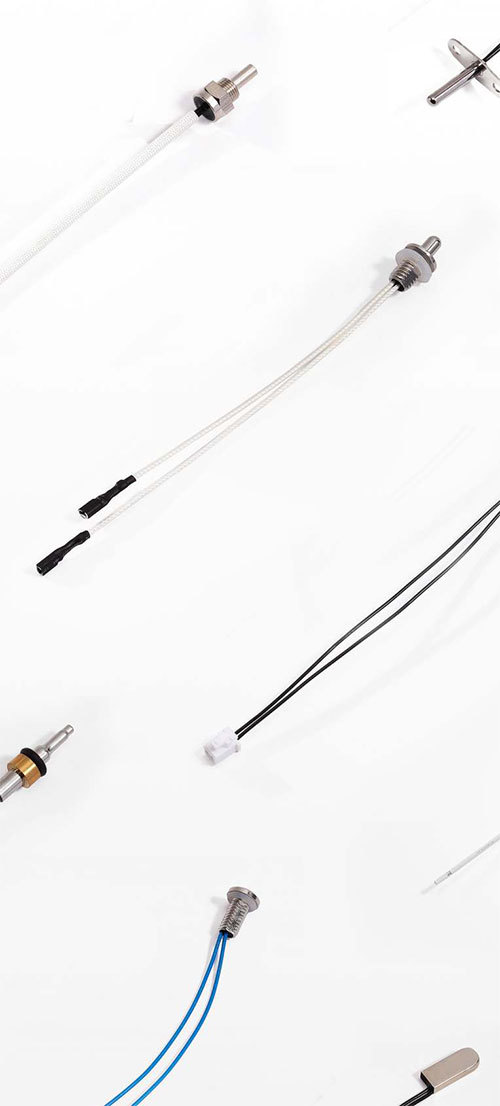
Understanding Transformer Temperature Controllers: Essential Insights for Building and Decorating
Classification: knowledge
Time:2026-02-06
One of the primary advantages of using transformer temperature controllers is their ability to enhance energy efficiency. By accurately controlling the temperature, these devices minimize energy waste, which can lead to significant cost savings over time. Additionally, reduced energy consumption contributes to a more sustainable approach in construction practices, aligning with modern environmental standards.
When selecting a transformer temperature controller, various factors should be considered to ensure optimum performance. The first consideration is the compatibility of the controller with the heating systems in use. Different heating applications may require specific types of controllers that can handle the electrical load and respond appropriately to temperature changes. Understanding the specifications of both the heating system and the controller is critical for seamless integration.
Moreover, the precision of the temperature sensor is another important aspect to evaluate. High-quality sensors provide accurate and timely readings, which are essential for the effective operation of the temperature controller. This precision not only maintains the desired temperature but also prolongs the lifespan of heating elements by preventing overheating.
In addition to functionality, ease of installation and user interface are crucial features of transformer temperature controllers. A user-friendly interface with clear displays and intuitive controls can significantly enhance the user experience, making it easier for operators to monitor and adjust temperature settings. Furthermore, straightforward installation processes can reduce labor costs and time, allowing for quicker project completion.
Lastly, while transformer temperature controllers are generally robust, regular maintenance is essential to ensure their longevity and effectiveness. Routine checks on wiring, connections, and sensor functionality can prevent unexpected failures and disruptions in temperature regulation. Implementing a maintenance schedule can enhance reliability and performance in the long run.
In conclusion, transformer temperature controllers are indispensable tools in the building and decorating industry, offering precise temperature regulation, energy efficiency, and ease of use. Understanding the key features and considerations surrounding these devices can empower industry professionals to make informed decisions, ultimately leading to better project outcomes and enhanced operational efficiency.
Keyword: Understanding Transformer Temperature Controllers: Essential Insights for Building and Decorating
RELATED INFORMATION
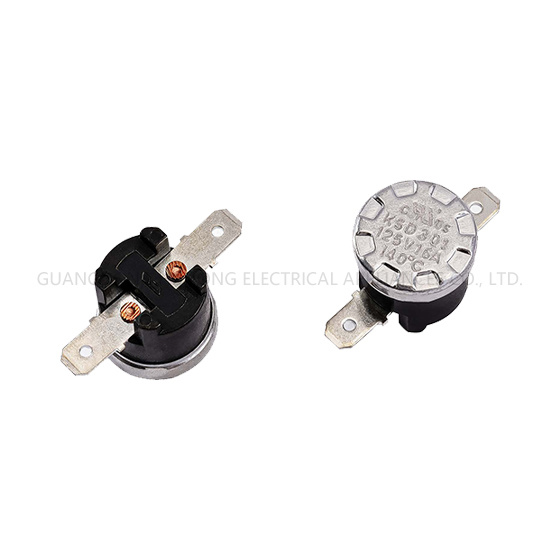
Understanding Transformer Temperature Controllers: Essential Insights for Building and Decorating
Transformer temperature controllers are vital devices used to regulate the temperature in various settings, particularly in the construction and decoration sectors. These controllers function by modulating the electrical supply to heating elements based on the temperature readings from sensors. By maintaining a constant temperature, they ensure that materials and processes remain within safe and e
2026/02/06
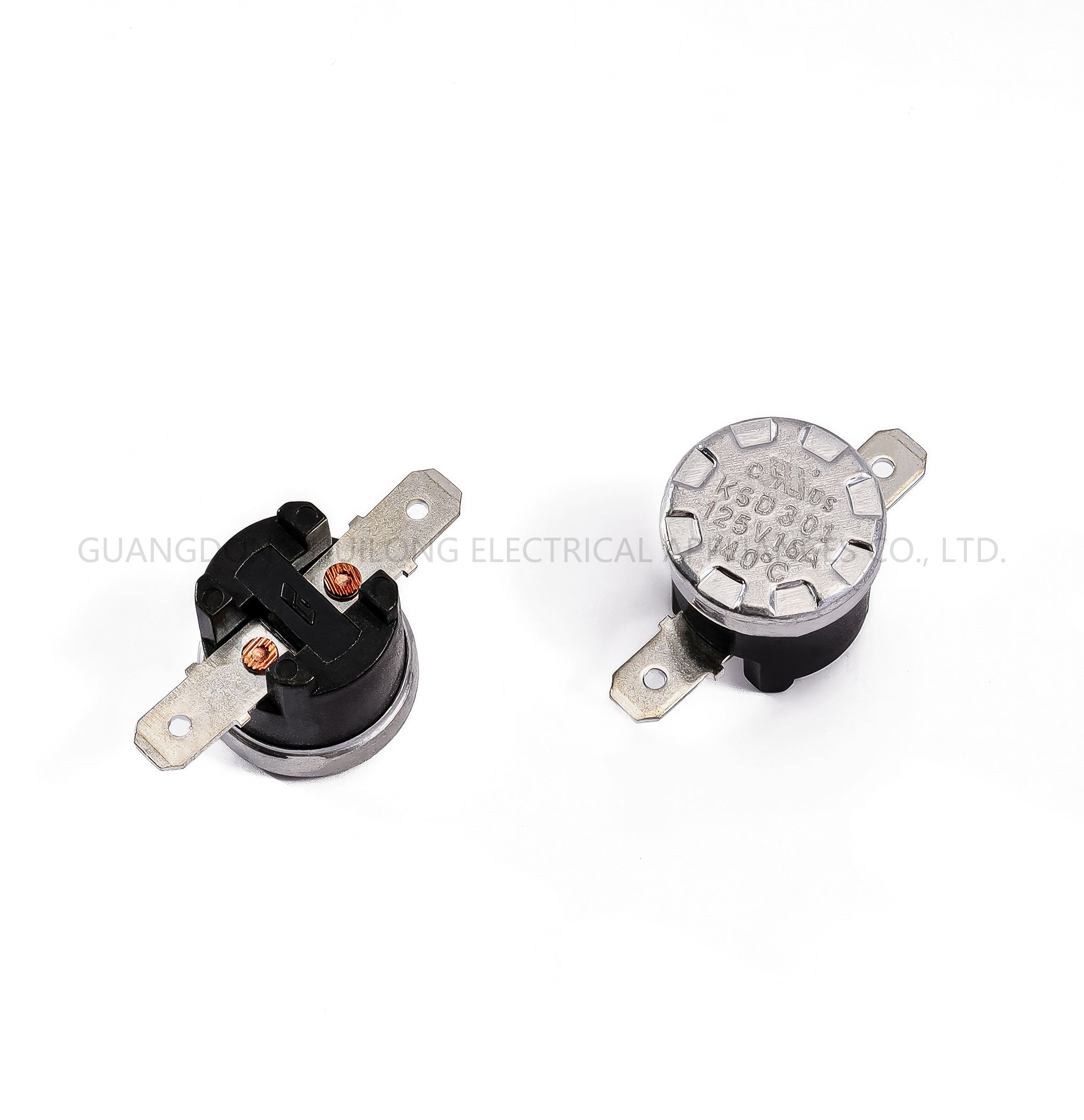
Maximize Energy Efficiency in Your Building with Transformer Temperature Controllers
Maximize Energy Efficiency in Your Building with Transformer Temperature Controllers In today’s world, maximizing energy efficiency in buildings is more crucial than ever. **Transformer temperature controllers** play a pivotal role in achieving this goal. These devices not only enhance the comfort of building occupants but also significantly reduce energy consumption. This comprehensive guide wi
2026/01/30

Huilonghas passedls09001 certification in2003.0ur products are compliant with EU RoHS Directiveand certified by COC, VDE, UL, TUV, CE,CB.
Contact Us
+86-757-28397819
C1 Building, CSCEC'S S&TInnovation Park, No.81,Xijiao Road, Ronggui, Shunde, Foshan, Guangdong Province

Mobile Website