
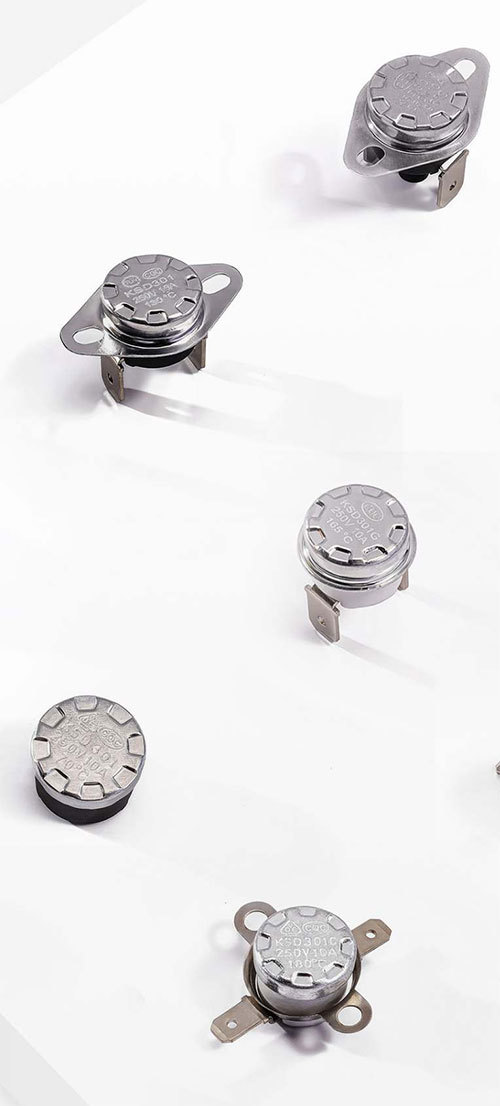
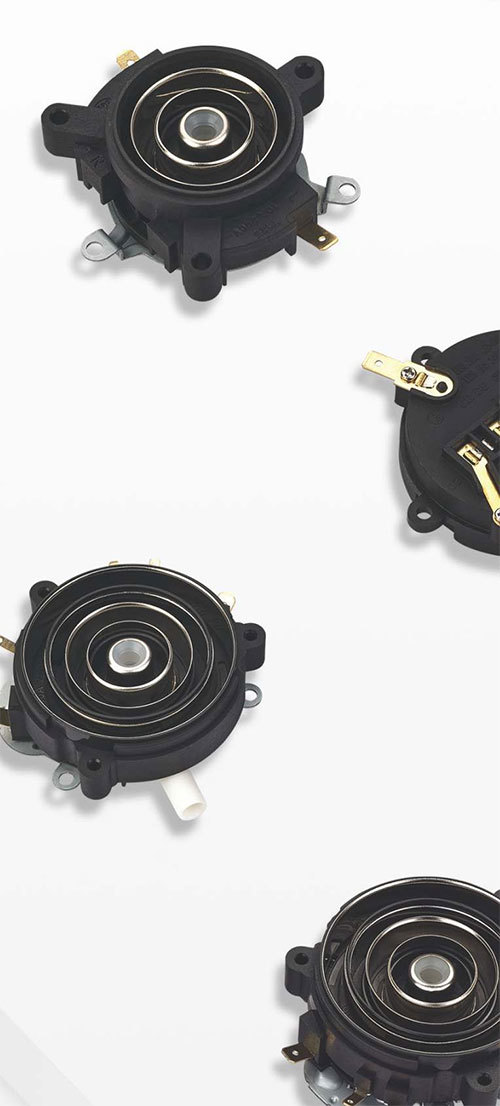
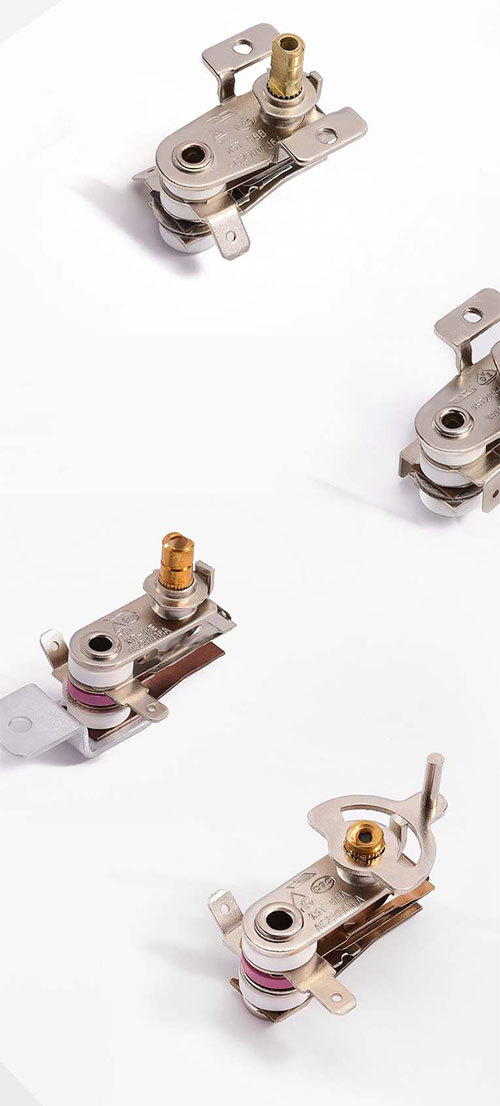
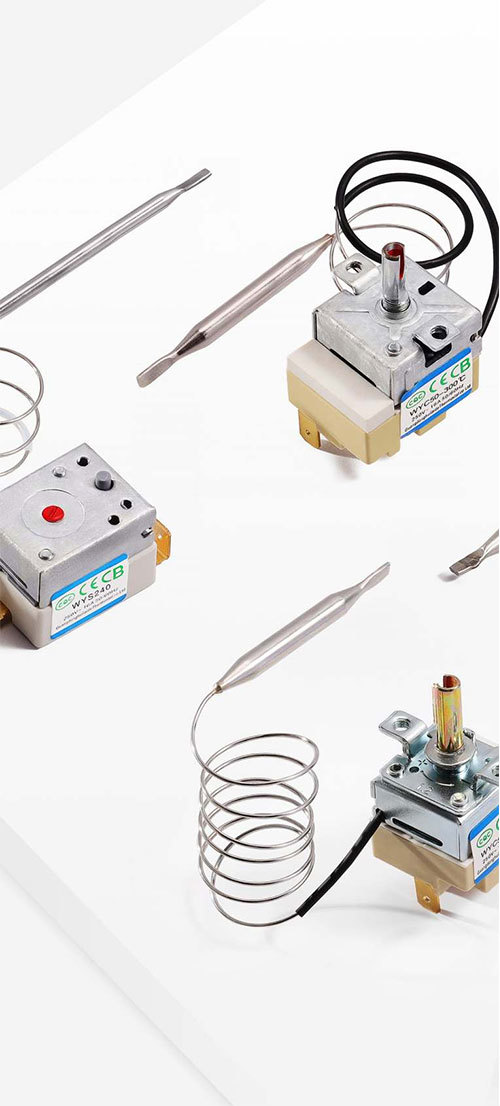

Exploring the Reliability of Non-Adjustable Thermostats for Temperature Control
Classification: knowledge
Time:2026-02-27
Exploring the Reliability of Non-Adjustable Thermostats for Temperature Control
Table of Contents
- 1. Introduction to Non-Adjustable Thermostats
- 2. Understanding the Working Principle of Non-Adjustable Thermostats
- 3. Key Advantages of Non-Adjustable Thermostats
- 4. Applications in the Laboratory Environment
- 5. Limitations and Considerations
- 6. Comparative Analysis with Adjustable Thermostats
- 7. Best Practices for Using Non-Adjustable Thermostats
- 8. Frequently Asked Questions
- 9. Conclusion
1. Introduction to Non-Adjustable Thermostats
In the realm of laboratory equipment, maintaining a consistent temperature is crucial for successful experiments and processes. Non-adjustable thermostats provide a reliable solution for temperature control, ensuring that sensitive materials are kept within specific temperature ranges. Unlike their adjustable counterparts, non-adjustable thermostats are designed for simplicity and reliability, making them an ideal choice in various applications.
2. Understanding the Working Principle of Non-Adjustable Thermostats
Non-adjustable thermostats operate based on a straightforward principle: they maintain a predefined temperature without the need for user intervention. Typically, these devices use a thermal sensor that detects temperature changes. When the pre-set threshold is reached, the device activates or deactivates the heating or cooling system accordingly.
Most non-adjustable thermostats rely on bimetallic strips or thermistors as their sensing elements. The bimetallic strip expands or contracts in response to temperature changes, moving a mechanical switch that regulates the heating or cooling process. Conversely, thermistors change resistance with temperature, providing precise readings that trigger the thermostat's control system.
3. Key Advantages of Non-Adjustable Thermostats
The popularity of non-adjustable thermostats in laboratory settings can be attributed to several key benefits:
3.1 Simplicity and Reliability
One of the primary advantages of non-adjustable thermostats is their simplicity. With no settings to adjust, these devices minimize the risk of human error. Their straightforward design ensures that they function consistently, providing reliable temperature control.
3.2 Cost-Effectiveness
Non-adjustable thermostats typically come at a lower price point compared to adjustable models. This cost-effectiveness makes them an appealing option for laboratories working with tight budgets without sacrificing performance.
3.3 Minimal Maintenance Requirements
Because of their uncomplicated design, non-adjustable thermostats require less maintenance. This aspect is vital for laboratory environments where equipment uptime is critical. Users can rely on these devices to perform consistently without frequent interventions.
3.4 Ideal for Specific Applications
In many cases, specific processes require strict temperature control that does not fluctuate. Non-adjustable thermostats are perfectly suited for such applications, ensuring that experiments are conducted under stable conditions.
4. Applications in the Laboratory Environment
Non-adjustable thermostats find applications across various sectors in laboratory and industrial settings. Here are some key areas where these devices excel:
4.1 Chemical Storage
In laboratories dealing with sensitive chemicals, maintaining a constant temperature is essential to prevent degradation or reaction. Non-adjustable thermostats help ensure that storage environments are stable, preserving the integrity of chemicals.
4.2 Biological Research
Biological specimens often require controlled temperatures for incubation or preservation. Non-adjustable thermostats provide a reliable means of maintaining the necessary conditions for these sensitive materials.
4.4 Environmental Testing
In environmental testing, maintaining consistent temperature conditions is crucial when analyzing samples or conducting experiments. Non-adjustable thermostats facilitate these requirements efficiently.
5. Limitations and Considerations
While non-adjustable thermostats offer numerous benefits, they also come with certain limitations. Understanding these can help users make informed decisions about their application.
5.1 Lack of Flexibility
The primary drawback of non-adjustable thermostats is their inability to change settings. If a different temperature is required for a particular experiment, users may need to replace the thermostat or employ a different device.
5.2 Potential for Overheating or Overcooling
In scenarios where precise temperature control is critical, non-adjustable thermostats might not be suitable. If the pre-set temperature is not adequate for specific applications, the lack of adjustment can lead to overheating or overcooling.
6. Comparative Analysis with Adjustable Thermostats
To evaluate the reliability of non-adjustable thermostats effectively, it is essential to compare them with adjustable thermostats.
6.1 Functionality
Adjustable thermostats allow users to set and modify temperature thresholds, offering flexibility for varied experiments. This feature can be advantageous in dynamic laboratory environments. On the other hand, non-adjustable thermostats provide ease of use but lack this versatility.
6.2 Reliability
Non-adjustable thermostats often outperform adjustable models in terms of reliability. With fewer components and simpler systems, non-adjustable thermostats are less prone to malfunctions, making them a dependable option for many applications.
6.3 Cost Comparison
While adjustable thermostats may offer additional features, they typically come at a higher cost. Non-adjustable thermostats present a more budget-friendly solution without compromising on essential functionality.
7. Best Practices for Using Non-Adjustable Thermostats
To maximize the effectiveness and reliability of non-adjustable thermostats, consider the following best practices:
7.1 Regular Calibration
While non-adjustable thermostats are designed for reliability, regular calibration is necessary to ensure accurate temperature readings. This practice helps to maintain the consistency of the devices over time.
7.2 Proper Placement
The placement of non-adjustable thermostats can significantly impact their performance. Ensure that they are located in areas with good airflow and away from direct sunlight or other temperature-affecting factors.
7.3 Periodic Maintenance Checks
Conduct regular maintenance checks to ensure that the thermostat is functioning correctly. Look for signs of wear or damage and replace any faulty components promptly.
8. Frequently Asked Questions
8.1 What is a non-adjustable thermostat?
A non-adjustable thermostat is a temperature control device that maintains a fixed temperature without user intervention or adjustments.
8.2 Where are non-adjustable thermostats commonly used?
Non-adjustable thermostats are commonly used in laboratory settings, chemical storage, and biological research, where a consistent temperature is crucial.
8.3 Are non-adjustable thermostats reliable?
Yes, non-adjustable thermostats are considered reliable due to their simple design and fewer components, making them less prone to failure.
8.4 Can non-adjustable thermostats be used for all temperature-sensitive applications?
While non-adjustable thermostats are suitable for many applications, they may not be ideal for those requiring flexible temperature settings.
8.5 How do I maintain a non-adjustable thermostat?
Regular calibration, proper placement, and periodic maintenance checks can help ensure the reliability and accuracy of non-adjustable thermostats.
9. Conclusion
Non-adjustable thermostats play a crucial role in maintaining temperature stability within laboratory environments. Their simplicity, reliability, and cost-effectiveness make them a preferred choice for various applications, from chemical storage to biological research. While they may have limitations regarding flexibility, their advantages often outweigh the drawbacks for many users. By understanding their functionality and implementing best practices, professionals can leverage non-adjustable thermostats to achieve optimal temperature control and enhance the overall efficiency of their laboratory processes.
Keyword: Exploring the Reliability of Non-Adjustable Thermostats for Temperature Control
RELATED INFORMATION
Exploring the Reliability of Non-Adjustable Thermostats for Temperature Control
Exploring the Reliability of Non-Adjustable Thermostats for Temperature Control Table of Contents 1. Introduction to Non-Adjustable Thermostats 2. Understanding the Working Principle of Non-Adjustable Thermostats 3. Key Advantages of Non-Adjustable Thermostats 4. Applications in the Laboratory Environment 5. Limitations and Considerations 6. Comparative Analysis with Adjustable Thermo
2026/02/27

Understanding Non-Adjustable Thermostats: Essential Insights for Laboratory Applications
Non-adjustable thermostats are specialized devices designed to maintain a fixed temperature without the ability to modify that temperature setting. This characteristic makes them uniquely suited for applications where consistent temperature control is essential, particularly in laboratory environments. Unlike adjustable thermostats, which allow users to set varying temperatures based on specific e
2026/02/20

Huilonghas passedls09001 certification in2003.0ur products are compliant with EU RoHS Directiveand certified by COC, VDE, UL, TUV, CE,CB.
Contact Us
+86-757-28397819
C1 Building, CSCEC'S S&TInnovation Park, No.81,Xijiao Road, Ronggui, Shunde, Foshan, Guangdong Province

Mobile Website