

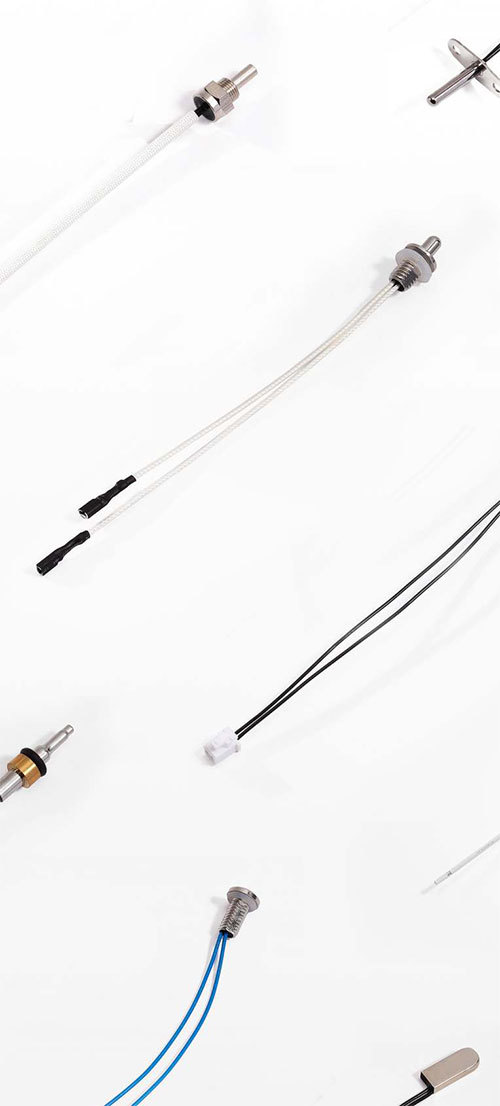
Understanding Non-Adjustable Thermostats: Key Insights for Laboratory Equipment
Classification: knowledge
Time:2026-03-06
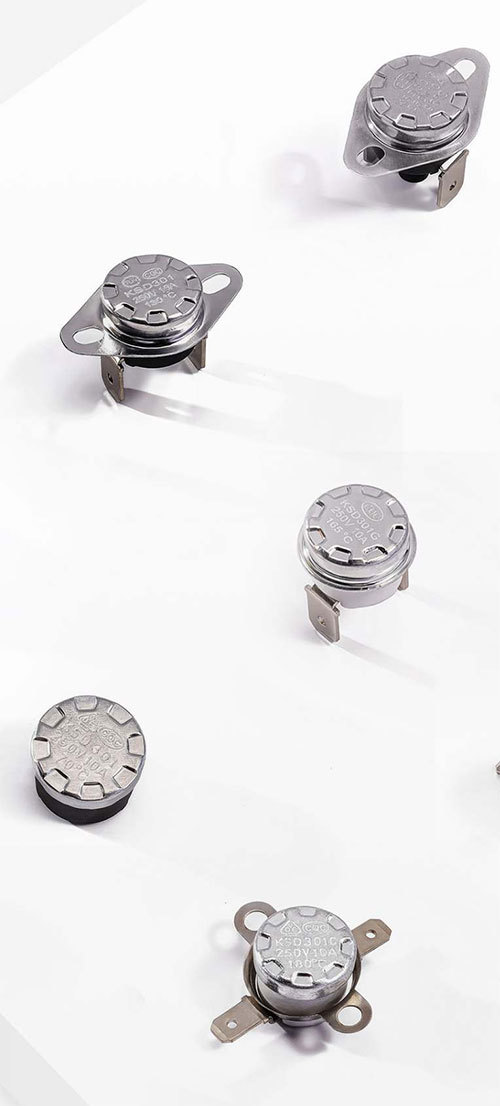
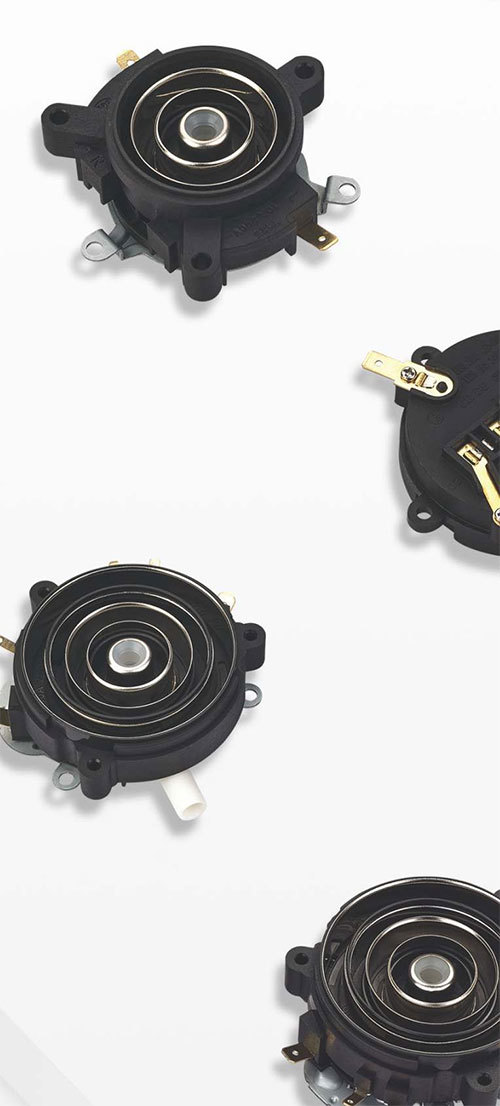
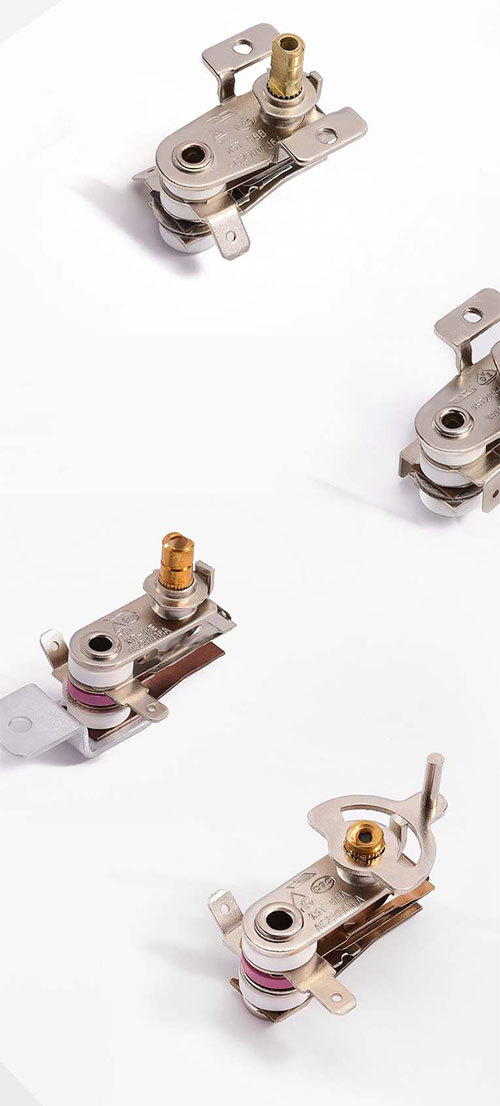
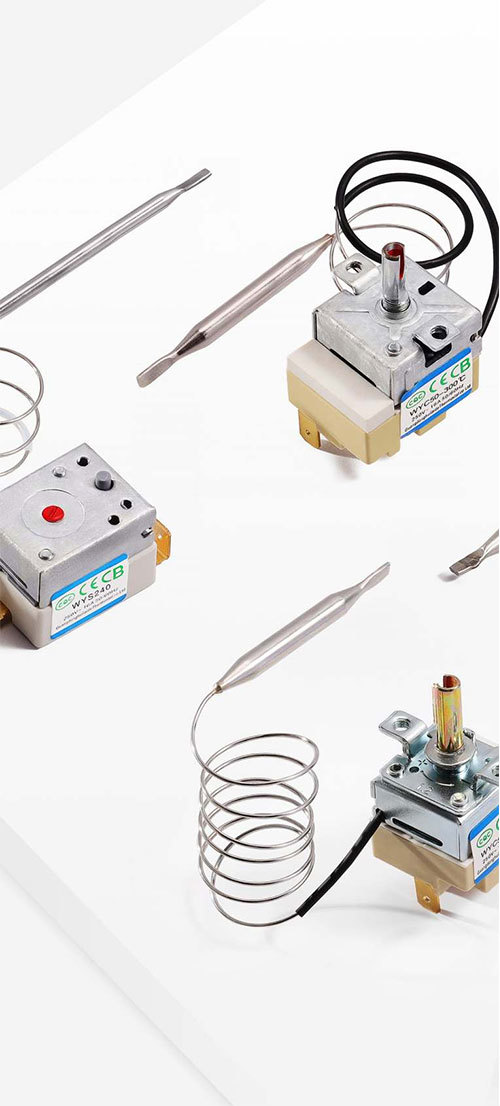
One of the primary advantages of non-adjustable thermostats is their simplicity. Since they are designed to maintain a fixed temperature, they eliminate the possibility of user error that can occur with manual adjustments. This is particularly important in chemical experiments where even slight temperature fluctuations can lead to significant changes in the outcome. By providing a stable environment, non-adjustable thermostats help ensure that experiments yield reliable and reproducible results.
In addition to their reliability, non-adjustable thermostats often require less maintenance compared to their adjustable counterparts. With fewer components to manage, the likelihood of malfunction decreases, resulting in less downtime and increased efficiency in laboratory operations. This characteristic makes them an attractive option for laboratories focused on streamlining processes and prioritizing operational efficiency.
Non-adjustable thermostats are commonly used in various applications, including incubators, environmental chambers, and water baths. In each of these contexts, maintaining a consistent temperature is vital for supporting biological growth, chemical reactions, or other specific laboratory functions. Their design allows them to deliver performance that meets the stringent demands of laboratory environments while ensuring that the required temperature conditions are maintained consistently.
It is essential to select a non-adjustable thermostat that aligns with your laboratory's specific requirements. Factors such as the desired temperature range, the size of the equipment, and the environmental conditions should all be taken into consideration. Understanding these requirements will help you choose a thermostat that efficiently meets your experimental needs.
In conclusion, non-adjustable thermostats are invaluable tools in the chemical laboratory sector, offering simplicity, reliability, and efficiency. By providing a steady and unchanging temperature, they facilitate accurate experiments and processes, ensuring that researchers can focus on their work rather than on equipment adjustments. For laboratories seeking to enhance their temperature control systems, incorporating non-adjustable thermostats can lead to improved outcomes and streamlined operations.
Keyword: Understanding Non-Adjustable Thermostats: Key Insights for Laboratory Equipment
RELATED INFORMATION
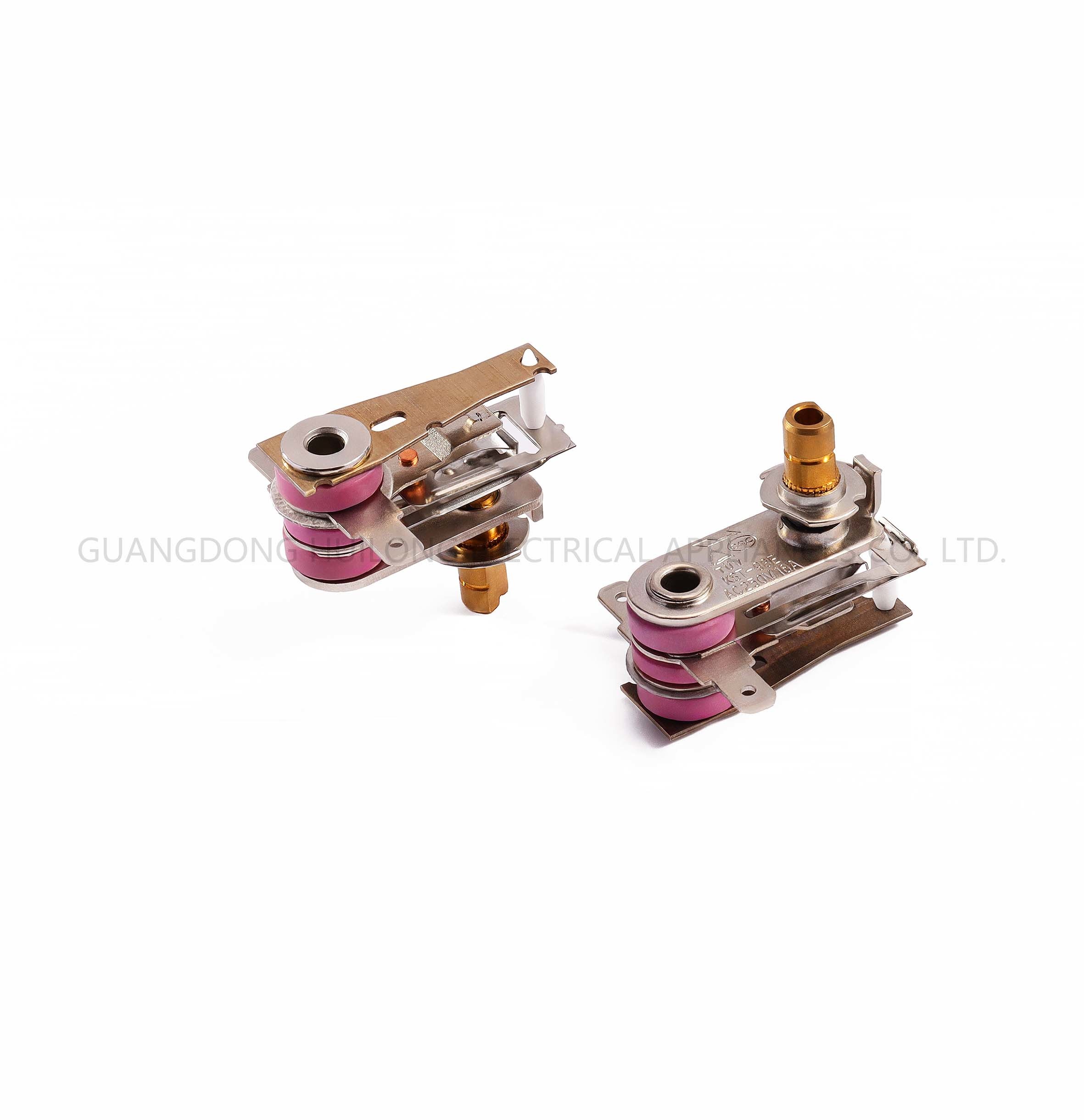
Understanding Non-Adjustable Thermostats: Key Insights for Laboratory Equipment
Non-adjustable thermostats play a crucial role in the realm of temperature regulation, particularly in laboratory settings where precision is paramount. Unlike adjustable thermostats, which allow users to set specific temperature levels, non-adjustable thermostats are preset to maintain a specific temperature range. This feature can be especially beneficial in maintaining consistency and reliabili
2026/03/06
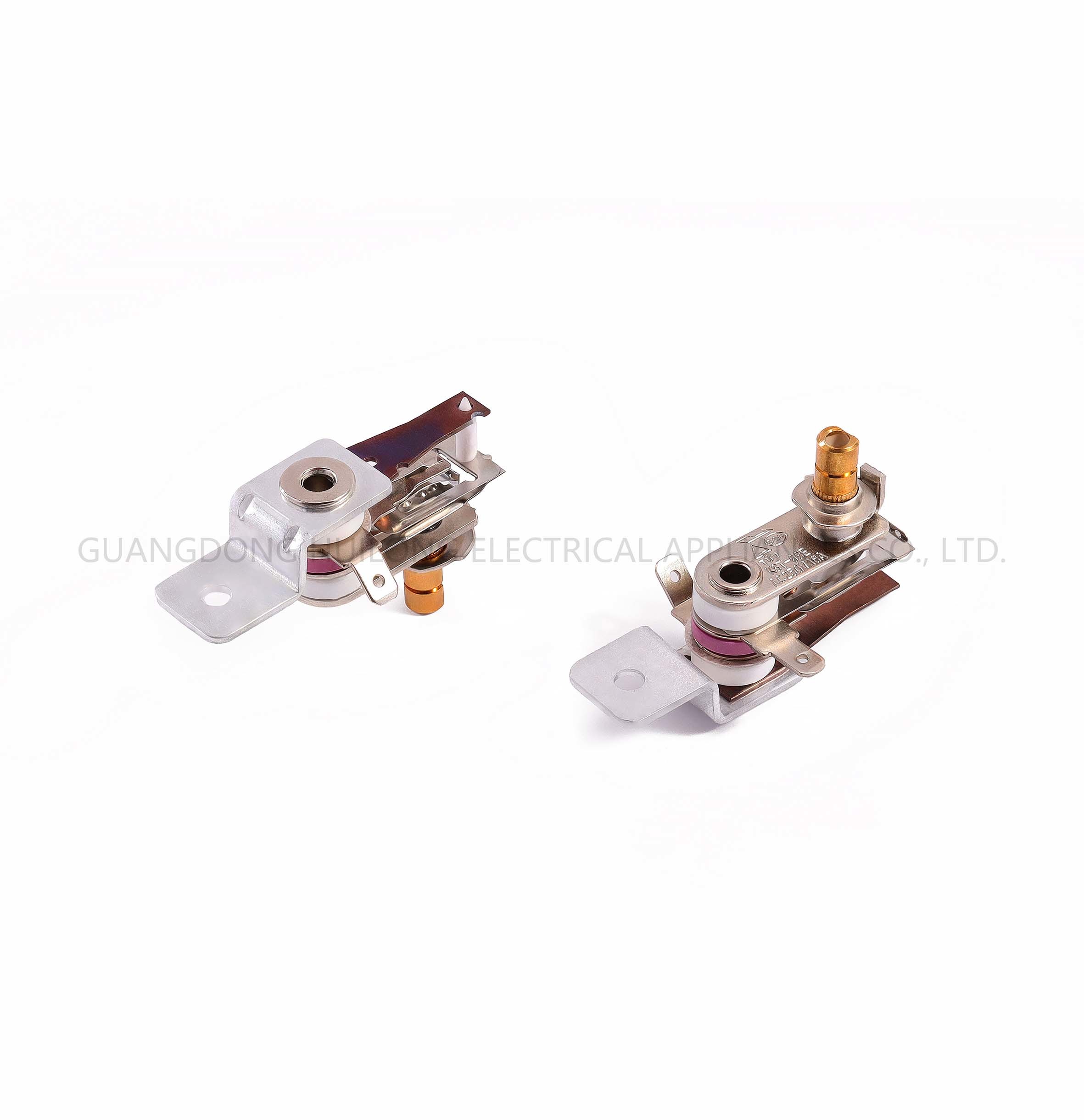
Exploring the Reliability of Non-Adjustable Thermostats for Temperature Control
Exploring the Reliability of Non-Adjustable Thermostats for Temperature Control Table of Contents 1. Introduction to Non-Adjustable Thermostats 2. Understanding the Working Principle of Non-Adjustable Thermostats 3. Key Advantages of Non-Adjustable Thermostats 4. Applications in the Laboratory Environment 5. Limitations and Considerations 6. Comparative Analysis with Adjustable Thermo
2026/02/27

Huilonghas passedls09001 certification in2003.0ur products are compliant with EU RoHS Directiveand certified by COC, VDE, UL, TUV, CE,CB.
Contact Us
+86-757-28397819
C1 Building, CSCEC'S S&TInnovation Park, No.81,Xijiao Road, Ronggui, Shunde, Foshan, Guangdong Province

Mobile Website