

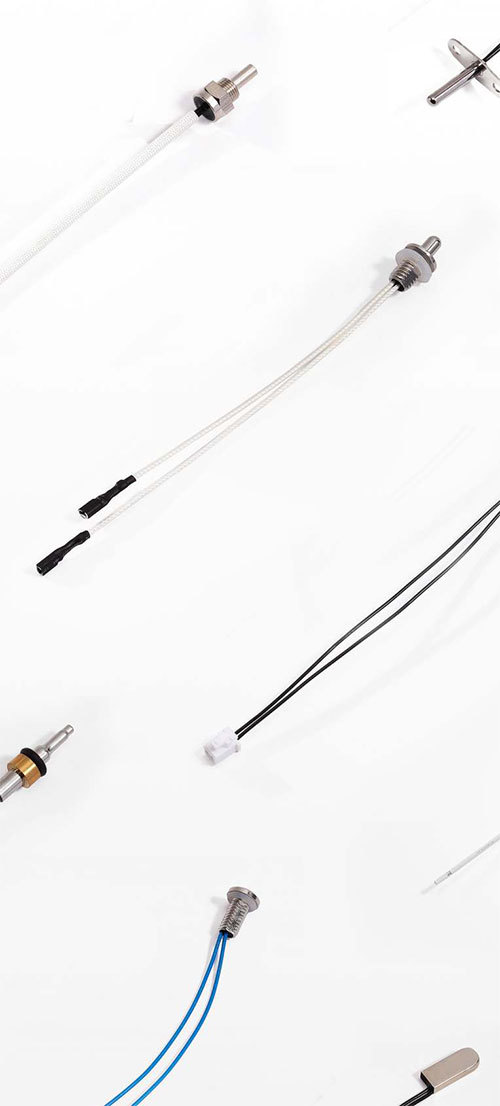
Understanding the Trade-offs of Different 12 Volt Adjustable Thermostats: A Comprehensive Guide
Classification: knowledge
Time:2026-03-13
Understanding the Trade-offs of Different 12 Volt Adjustable Thermostats
Table of Contents
1. Introduction to 12 Volt Adjustable Thermostats
2. The Importance of Temperature Control in Laboratory Settings
3. Types of 12 Volt Adjustable Thermostats
3.1 Mechanical Thermostats
3.2 Digital Thermostats
4. Key Features to Consider When Selecting a Thermostat
4.1 Temperature Range
4.2 Sensitivity and Accuracy
4.3 Power Consumption
5. Advantages of Using 12 Volt Adjustable Thermostats
6. Disadvantages and Trade-offs
7. Applications of 12 Volt Adjustable Thermostats in Laboratories
8. Conclusion
9. Frequently Asked Questions (FAQs)
1. Introduction to 12 Volt Adjustable Thermostats
12-volt adjustable thermostats are essential devices widely used in laboratory and industrial applications. These thermostats regulate the temperature of equipment and environments that require precise temperature control. Understanding their functionality and the trade-offs involved can significantly enhance your decision-making process, ensuring optimal performance and efficiency in various projects.
2. The Importance of Temperature Control in Laboratory Settings
Temperature control is crucial in laboratory settings. Proper temperature regulation can influence experimental results, product quality, and overall safety. For instance, chemical reactions often have specific temperature ranges in which they occur efficiently. Similarly, biological samples require strict temperature conditions to maintain viability. In this context, 12-volt adjustable thermostats play a pivotal role by providing reliable temperature management.
3. Types of 12 Volt Adjustable Thermostats
Understanding the different types of 12-volt adjustable thermostats allows users to select the most appropriate model for their specific needs.
3.1 Mechanical Thermostats
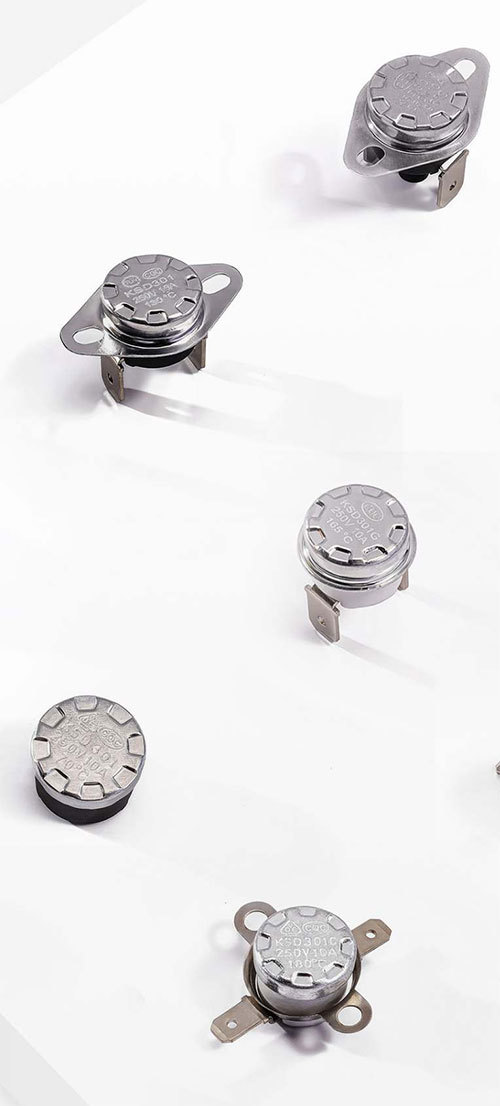
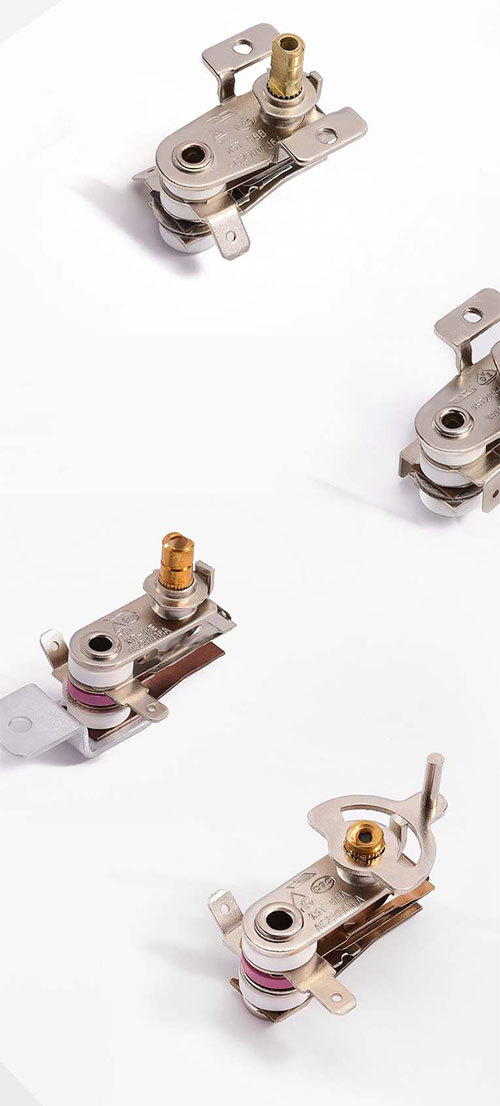
Mechanical thermostats operate using bimetallic strips that expand or contract with temperature changes. These devices are typically durable and require minimal maintenance. However, they may not provide the same level of accuracy as digital thermostats.
3.2 Digital Thermostats
Digital thermostats utilize electronic sensors to measure temperature and control heating or cooling systems. They offer higher precision and often come with advanced features, such as programmable settings and remote monitoring. However, these benefits may come at a higher initial cost.
4. Key Features to Consider When Selecting a Thermostat
Choosing the right 12-volt adjustable thermostat involves evaluating several key features to ensure it aligns with your requirements.
4.1 Temperature Range
Different applications require specific temperature ranges. Ensure the thermostat you choose can accommodate the required range for your laboratory processes.
4.2 Sensitivity and Accuracy
The sensitivity of a thermostat refers to its ability to detect minute temperature changes. A higher sensitivity often equates to better performance in critical applications. Accuracy is also vital; a thermostat must deliver precise temperature readings to maintain optimal conditions.
4.3 Power Consumption
Power consumption is an important consideration, especially for battery-operated devices. Look for thermostats that offer efficient energy usage without sacrificing performance.
5. Advantages of Using 12 Volt Adjustable Thermostats
12-volt adjustable thermostats come with several advantages that enhance their utility in various applications.
- **Versatility**: These thermostats can be used in various settings, from laboratories to residential and commercial environments.
- **Cost-Effectiveness**: Given their relatively low power requirements, they can be economically beneficial in terms of energy savings.
- **Reliability**: Many models are designed with durability in mind, ensuring long-term use with minimal maintenance.
6. Disadvantages and Trade-offs
While 12-volt adjustable thermostats offer numerous benefits, there are potential drawbacks and trade-offs to consider.
- **Initial Cost**: Higher-end digital thermostats may require a more significant upfront investment compared to mechanical options.
- **Complexity**: Digital models often come with advanced features that may complicate setup and operation for users who prefer simplicity.
- **Calibration Needs**: Certain models may require periodic calibration to maintain accuracy, which can be seen as an inconvenience.
7. Applications of 12 Volt Adjustable Thermostats in Laboratories
12-volt adjustable thermostats find extensive applications in laboratories, where maintaining specific temperatures is crucial. Common uses include:
- **Incubators**: These devices require precise temperature control for biological specimens.
- **Chemical Reaction Vessels**: Regulating temperature can significantly influence reaction rates and outcomes.
- **Cooling Systems**: Thermostats are vital for managing temperatures in refrigerated storage for sensitive materials.
8. Conclusion
Selecting the right 12-volt adjustable thermostat is essential for ensuring effective temperature management in laboratory environments. By understanding the various types, key features, advantages, and potential trade-offs, you can make an informed decision tailored to your specific needs. Investing in the appropriate thermostat will enhance your operational efficiency, maintain quality control, and improve overall safety in your laboratory.
9. Frequently Asked Questions (FAQs)
1. What is the best type of 12-volt adjustable thermostat for laboratory use?
The best type depends on your specific requirements. Digital thermostats generally offer higher accuracy and more features, while mechanical thermostats are more straightforward and durable.
2. How can I ensure the accuracy of my thermostat?
Regular calibration and maintenance are crucial in ensuring the accuracy of your thermostat. Consult the manufacturer’s guidelines for specific recommendations.
3. Are digital thermostats more energy-efficient than mechanical ones?
In many cases, digital thermostats can be more energy-efficient due to their precise temperature control, which minimizes energy waste.
4. Can I use a 12-volt adjustable thermostat for home heating or cooling systems?
Yes, 12-volt adjustable thermostats can be utilized in home heating or cooling systems, especially in low-voltage applications.
5. What maintenance does a 12-volt adjustable thermostat require?
Maintenance may include periodic calibration, checking connections, and ensuring sensors are clean and unobstructed. Always refer to the manufacturer’s instructions for specific maintenance guidelines.
Keyword: Understanding the Trade-offs of Different 12 Volt Adjustable Thermostats: A Comprehensive Guide
RELATED INFORMATION
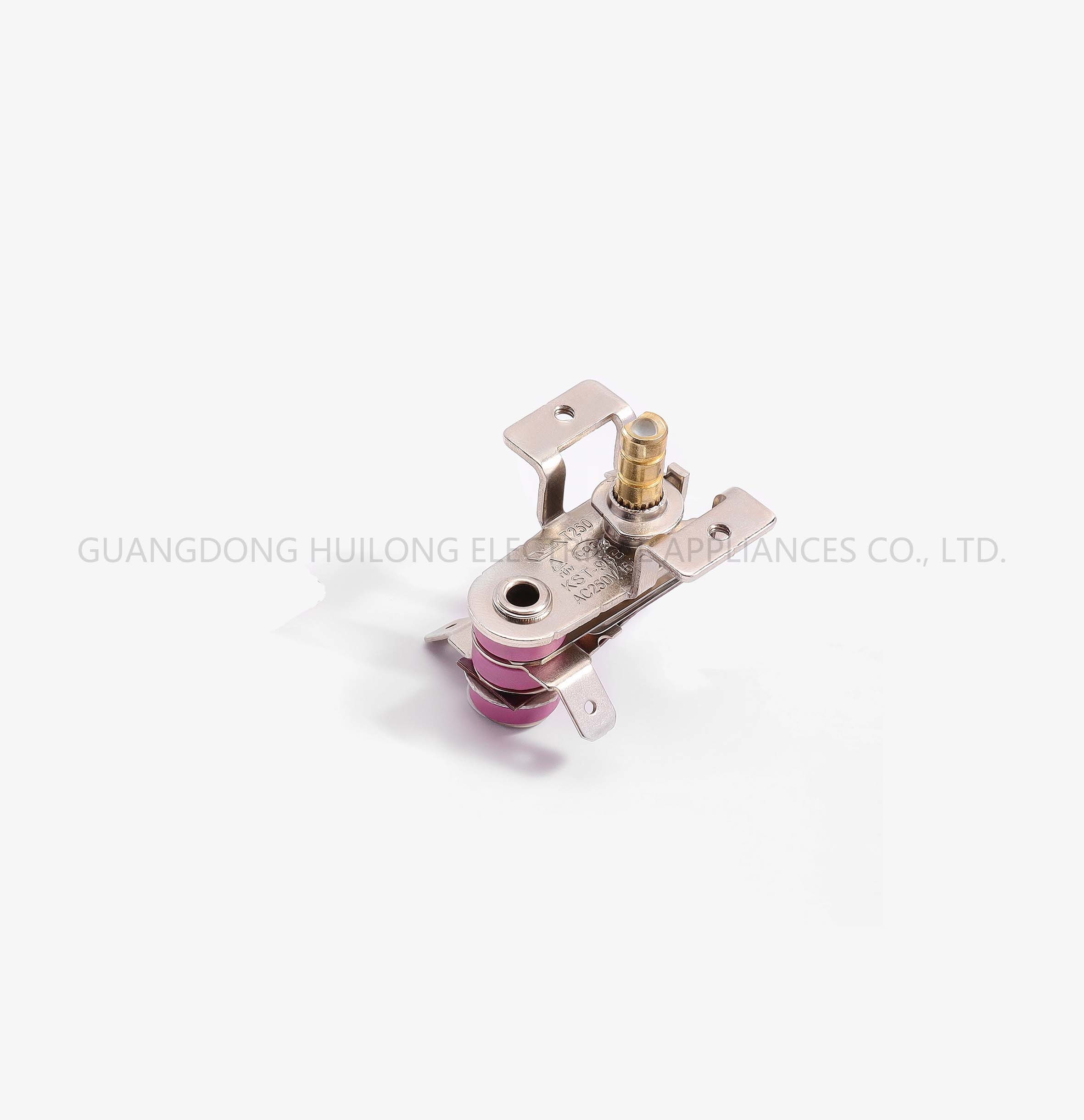
Understanding the Trade-offs of Different 12 Volt Adjustable Thermostats: A Comprehensive Guide
Understanding the Trade-offs of Different 12 Volt Adjustable Thermostats Table of Contents 1. Introduction to 12 Volt Adjustable Thermostats 2. The Importance of Temperature Control in Laboratory Settings 3. Types of 12 Volt Adjustable Thermostats 3.1 Mechanical Thermostats 3.2 Digital Thermostats 4. Key Features to Consider When Selecting a Thermostat 4.1 Temperature Range 4.2 Sensitivity and Acc
2026/03/13
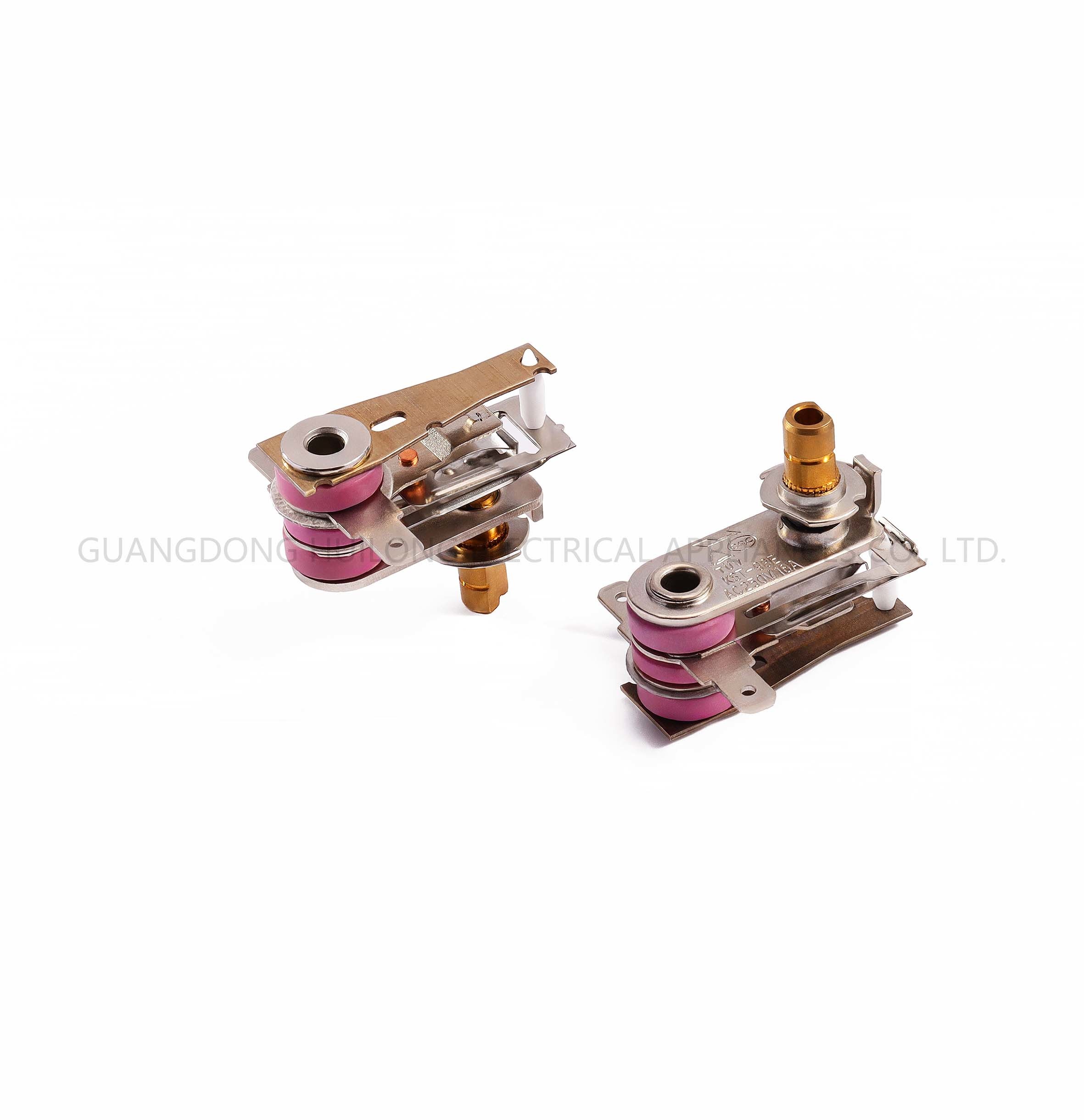
Understanding Non-Adjustable Thermostats: Key Insights for Laboratory Equipment
Non-adjustable thermostats play a crucial role in the realm of temperature regulation, particularly in laboratory settings where precision is paramount. Unlike adjustable thermostats, which allow users to set specific temperature levels, non-adjustable thermostats are preset to maintain a specific temperature range. This feature can be especially beneficial in maintaining consistency and reliabili
2026/03/06

Huilonghas passedls09001 certification in2003.0ur products are compliant with EU RoHS Directiveand certified by COC, VDE, UL, TUV, CE,CB.
Contact Us
+86-757-28397819
C1 Building, CSCEC'S S&TInnovation Park, No.81,Xijiao Road, Ronggui, Shunde, Foshan, Guangdong Province

Mobile Website